
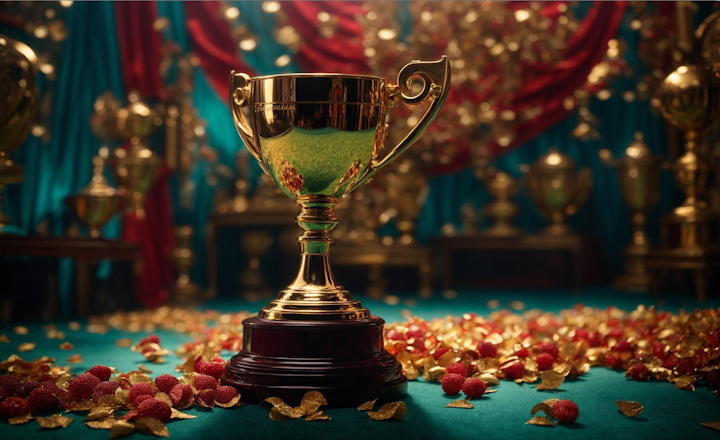
A well-designed trophy does more than mark a win. It captures a moment, reflects effort, and becomes a lasting reminder of why the achievement mattered. Off-the-shelf awards may serve a purpose, but they rarely carry meaning beyond the event itself. Custom trophies, when designed thoughtfully, can communicate values, history, and emotion in a way generic awards cannot.
Designing a trophy that tells a story requires intention. From understanding the audience to choosing materials and symbols, every decision shapes how the award will be remembered.
Start With the Purpose, Not the Shape
Before thinking about size or style, clarify what the trophy is meant to represent. Is it recognising long-term commitment, a breakthrough performance, teamwork, or leadership? A trophy for a community fundraiser will communicate something very different from one created for a national sporting final.
Ask questions early. Who is receiving the award? What achievement is being recognised? What feeling should the recipient have when they hold it? These answers guide every design choice that follows.
Use Symbols That Carry Meaning
Storytelling in design often relies on symbols. These might include shapes, icons, or imagery linked to the event or organisation. A mountain form could suggest perseverance. Interlocking elements may reflect collaboration. Even abstract forms can work when they connect clearly to the story behind the award.
Avoid adding symbols simply for decoration. Each visual element should have a reason to exist and be easy to explain in a sentence. If the meaning can’t be described clearly, the story may be getting lost.
Choose Materials That Match the Message
Materials play a strong role in how a trophy feels and what it communicates. Metal often suggests strength and achievement. Glass can feel refined and ceremonial. Timber may convey tradition or community roots. Acrylic allows flexibility in shape and colour, making it suitable for modern designs.
The material should support the story rather than compete with it. For example, an award recognising sustainability efforts may feel more authentic when made from recycled or natural materials.
Think About Weight and Proportion
How a trophy feels in the hand affects how it is perceived. Heavier awards often feel more substantial and important, while lighter designs can feel contemporary or understated. Proportion matters too. An oversized trophy may impress visually but feel impractical, while a very small award can appear less significant than intended.
Balance visual impact with usability. A well-proportioned trophy should look good on display and feel comfortable to hold during presentations.
Let Engraving Add Context
Engraving is where the story becomes personal. Names, dates, event titles, or short phrases anchor the trophy to a specific moment. Clean, readable typography matters more than decorative fonts, especially if the award will be kept for years.
Consider leaving space for future engraving if the trophy is part of an ongoing series. This reinforces continuity and tradition over time.
Match the Design to the Audience
A trophy designed for a youth competition should not look the same as one created for a corporate leadership award. Age group, industry, and cultural context all influence how design choices are interpreted.
Understanding the audience helps ensure the trophy feels appropriate rather than exaggerated or underwhelming. When recipients feel the award was made with them in mind, the story lands more clearly.
Avoid Overcomplicating the Design
It’s tempting to include every idea in one piece, but restraint often leads to stronger outcomes. Too many elements can dilute the message and make the trophy feel busy. Clear shapes, limited materials, and focused symbolism usually communicate more effectively.
Simplicity also helps the trophy age well. Designs that rely on trends may feel dated quickly, while clean forms tend to remain relevant.
Bringing It All Together
Designing custom trophies that tell a story is about intention, not decoration. When purpose, materials, symbols, and craftsmanship work together, the result is an award that carries meaning long after the applause fades. The best trophies don’t just sit on a shelf — they remind people why the achievement mattered in the first place.
| < Prev | Next > |
|---|