
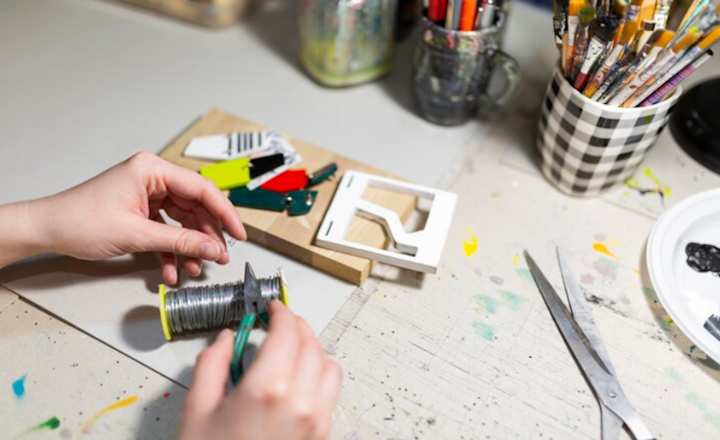
Plastic model building is a rewarding hobby that blends creativity, patience, and craftsmanship. From assembling scale aircraft and military vehicles to detailed cars and science-fiction kits, the process of turning small plastic parts into a finished model can be incredibly satisfying. However, while model kits often include the components needed to build the subject itself, achieving a clean, professional result requires the right set of tools.
Whether you are just starting out or looking to refine your modelling setup, investing in quality tools can dramatically improve both the building experience and the final outcome. Many hobbyists begin by sourcing reliable kits, paints, and tools from specialist retailers like MAD Toys & Hobbies, where modellers can find the essential equipment needed to support every stage of the build.
Below are some of the most important tools every plastic model builder should have in their toolkit.
Precision Side Cutters (Sprue Cutters)
One of the first tools every modeller needs is a good pair of precision side cutters, commonly called sprue cutters. Model kit parts are attached to plastic frames known as sprues, and these cutters allow you to remove parts cleanly without damaging them.
Unlike ordinary scissors or pliers, model-specific cutters are designed with thin, sharp blades that make precise cuts close to the part. This reduces stress on the plastic and minimises the risk of breakage.
Quality sprue cutters help you:
- Remove parts neatly from the sprue
- Avoid stress marks and cracks in the plastic
- Reduce the amount of sanding needed afterwards
For beginners and experienced builders alike, this is one of the most important tools in the entire modelling process.
Hobby Knife (Precision Craft Knife)
A hobby knife is another indispensable tool for plastic model builders. These knives typically feature interchangeable blades and are used for a wide range of tasks during assembly.
Common uses include:
- Trimming excess plastic after removing parts from sprues
- Cleaning up mould lines
- Carefully cutting decals or masking tape
- Adjusting small pieces for a better fit
Because the blades are extremely sharp, they allow for very precise cuts. Most modellers keep spare blades on hand so they can replace dull ones quickly and maintain accuracy.
Sanding Tools and Files
Even when parts are cut cleanly from the sprue, small imperfections often remain. Sanding tools help smooth surfaces, refine edges, and prepare parts for assembly or painting.
Common sanding tools include:
- Sanding sticks
- Fine grit sandpaper
- Needle files
- Polishing pads
Using progressively finer grits allows builders to remove imperfections without scratching the plastic surface. This is especially important when working on visible areas such as aircraft fuselages, car bodies, or armour panels.
Many experienced modellers also use specialised sanding sponges that can conform to curved surfaces, making them ideal for detailed kits.
Plastic Cement (Model Glue)
Plastic cement is the adhesive specifically designed for assembling plastic model kits. Unlike standard glue, plastic cement works by slightly melting the surfaces of the plastic parts, allowing them to fuse together as the solvent evaporates.
This creates a stronger and cleaner bond compared to ordinary adhesives.
There are several types commonly used by modellers:
Liquid cement – ideal for precision work and tight seams
Tube cement – thicker and better for larger joins
Extra-thin cement – flows easily into small gaps and seams
Liquid cements with fine applicator brushes are especially popular because they allow precise placement without leaving messy residue.
Tweezers for Small Parts
Plastic model kits often contain very small and delicate pieces. Tweezers make it much easier to handle these components without dropping them or contaminating them with oils from your fingers.
Fine-tip tweezers are especially helpful for:
- Placing tiny detail parts
- Applying decals
- Handling photo-etched metal components
- Positioning small accessories or figures
Many modellers keep several types of tweezers in their toolkit, including straight, curved, and ultra-fine tips.
Cutting Mat
A self-healing cutting mat protects your workspace while providing a stable surface for precise cutting and trimming.
These mats typically feature printed grid lines that help with alignment and measurement, making them particularly useful for:
- Cutting masking tape
- Measuring small parts
- Trimming plastic components
The self-healing material also extends the life of your blades by preventing unnecessary dulling.
Modelling Clamps and Clips
While plastic cement bonds parts together, the pieces often need to be held in place while the adhesive sets. Modelling clamps and clips provide gentle pressure that keeps parts aligned during drying.
Common options include:
- Small spring clamps
- Plastic hobby clamps
- Bulldog clips
- Rubber bands
These tools are particularly useful for assembling large sections such as aircraft fuselages or ship hulls.
Paint Brushes and Painting Tools
Painting is often where a plastic model truly comes to life. Even if you are using pre-coloured kits, a little paint can dramatically enhance details and realism.
Basic painting tools include:
- Fine detail brushes
- Flat brushes for larger areas
- Paint palettes
- Stir sticks
Many builders also progress to using airbrush systems, which allow for smoother finishes and advanced techniques such as weathering, shading, and camouflage patterns.
Decal Tools and Solutions
Most plastic model kits include decals that represent markings, insignia, or intricate details that would be difficult to paint by hand.
Applying decals smoothly requires patience and the right tools, including:
- Tweezers for positioning
- Cotton buds for smoothing
- Soft brushes for adjustment
Special decal solutions can also help soften decals so they conform to curved surfaces and panel lines, creating a much more realistic finish.
Magnifying Tools and Good Lighting
Model building involves working with extremely small components and fine details. Good lighting and magnification can dramatically improve both accuracy and comfort during long building sessions.
Many modellers use:
- Desk lamps with daylight bulbs
- Magnifying lamps
- Head-mounted magnifiers
These tools reduce eye strain while making it easier to spot mould lines, alignment issues, and paint imperfections.
Storage and Organisation
As your modelling collection grows, keeping tools organised becomes increasingly important. Small storage containers, tool racks, and hobby organisers help keep everything within reach while preventing damage or loss.
Common solutions include:
- Small compartment boxes for parts
- Drawer organisers for tools
- Paint racks and brush holders
A tidy workspace not only improves efficiency but also makes the hobby more enjoyable.
Building Your Toolkit Over Time
One of the best aspects of plastic model building is that you do not need every tool immediately. Many hobbyists start with a small selection of essentials and gradually expand their toolkit as their skills and interests grow.
The core tools most beginners start with include:
- Sprue cutters
- Hobby knife
- Sanding tools
- Plastic cement
- Tweezers
From there, additional tools such as airbrushes, specialised files, and advanced painting equipment can be added over time.
Final Thoughts
Plastic model building is a hobby that rewards attention to detail and careful craftsmanship. While skill and patience play a major role in achieving great results, the right tools make the process smoother, more enjoyable, and far more precise.
By starting with a solid set of essential tools and gradually expanding your collection, you can dramatically improve the quality of your models and the satisfaction you gain from building them. Whether you are assembling your very first kit or refining your modelling techniques, having the right equipment on hand will always make a difference.
| < Prev | Next > |
|---|