
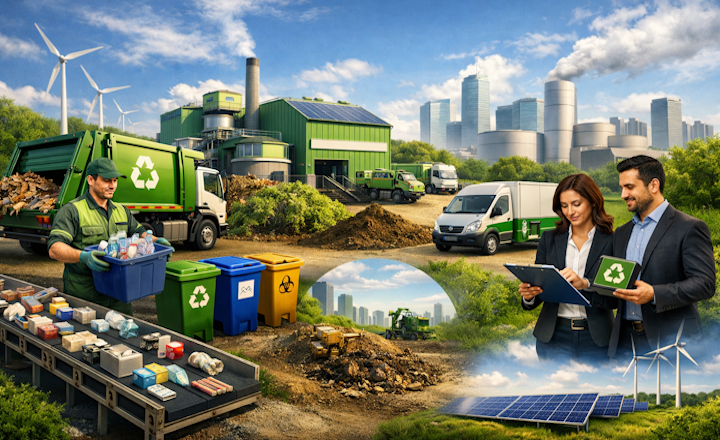
Managing waste responsibly has become an essential part of modern business operations. Companies across industries are now recognising the importance of efficient waste management solutions to maintain compliance, improve workplace hygiene, and support environmental sustainability. As businesses generate various types of waste every day, having a structured system for collection, recycling, and disposal is crucial for long-term operational success.
From office buildings and retail stores to restaurants and manufacturing facilities, waste is an unavoidable by-product of daily activities. Without proper waste handling strategies, businesses may face operational inefficiencies, health risks, and environmental challenges. Effective waste management services help organisations handle waste responsibly while maintaining clean and organised environments.
The Growing Importance of Responsible Waste Management
Over the past decade, environmental awareness has grown significantly among businesses and consumers alike. Organisations are increasingly expected to adopt sustainable practices that minimise their environmental footprint. Waste management plays a major role in achieving these sustainability goals.
When waste is not managed properly, it can lead to pollution, landfill overflow, and wasted resources. Businesses that implement structured waste management programs contribute to reducing these environmental impacts. Recycling, waste segregation, and responsible disposal practices help divert materials away from landfills and return valuable resources back into the production cycle.
In addition to environmental benefits, responsible waste management enhances a company's reputation. Customers are more likely to support organisations that demonstrate a commitment to sustainability and environmental responsibility.
Understanding Different Types of Business Waste
Every business generates different types of waste depending on its operations. Office environments typically produce paper waste, packaging materials, and electronic waste. Retail businesses generate cardboard, plastics, and product packaging materials.
Restaurants and hospitality businesses often produce organic waste, food scraps, and cooking oil that require specialised disposal methods. Construction and renovation projects generate building debris such as wood, metal, and concrete.
Manufacturing industries may also produce industrial waste that requires specific handling procedures to meet regulatory standards. Identifying the type and volume of waste produced by a business is the first step toward creating an effective waste management strategy.
Once waste streams are clearly identified, businesses can implement appropriate sorting systems, recycling processes, and disposal methods that reduce environmental impact while maintaining operational efficiency.
Improving Workplace Safety and Hygiene
An organised waste management system contributes significantly to workplace safety. Accumulated waste can create hazardous conditions such as blocked pathways, unpleasant odours, and pest infestations. These issues not only affect employee wellbeing but can also impact productivity.
Regular waste collection and proper disposal practices help maintain clean workspaces. Employees can perform their tasks more efficiently when the workplace remains organised and free from clutter.
Proper waste management also ensures that potentially hazardous materials are handled correctly. Certain types of waste require specialised disposal methods to prevent contamination and environmental harm. Professional waste management providers are equipped with the expertise and equipment needed to manage these materials safely.
Supporting Recycling and Resource Recovery
Recycling plays a vital role in modern waste management strategies. Businesses that separate recyclable materials from general waste contribute to resource conservation and environmental protection.
Materials such as paper, cardboard, glass, plastics, and metals can often be recycled and reused in manufacturing processes. By diverting these materials from landfill, businesses help reduce the demand for raw resources and energy consumption.
Some industries also benefit from composting programs that transform organic waste into nutrient-rich compost. This approach is particularly useful for restaurants, food processing facilities, and agricultural businesses.
Resource recovery initiatives not only benefit the environment but can also reduce waste disposal costs for businesses over time.
Compliance With Environmental Regulations
Waste disposal regulations vary depending on the type of waste and the region in which a business operates. Governments and environmental authorities enforce strict guidelines to ensure that waste is handled safely and responsibly.
Businesses must comply with these regulations to avoid penalties, fines, or legal issues. Professional waste management services help organisations stay compliant by ensuring that waste is collected, transported, and disposed of according to legal standards.
Maintaining proper documentation and records of waste handling processes is also an important part of regulatory compliance. Waste management providers often assist businesses with these requirements, making the process easier to manage.
Creating a Sustainable Waste Strategy
Developing an effective waste management plan involves more than simply disposing of waste. Businesses must assess their waste generation patterns and identify opportunities for reduction and recycling.
A waste audit is often the first step in this process. By analysing waste streams, companies can determine where waste is being generated and how it can be reduced. For example, businesses may switch to recyclable packaging materials or reduce single-use plastics in their operations.
Employee awareness and training are also essential components of a successful waste strategy. Staff members should understand how to separate waste correctly and follow recycling guidelines. When employees actively participate in waste management efforts, businesses achieve better results.
Technology is also playing an increasing role in waste management. Smart monitoring systems track waste levels, optimise collection schedules, and provide valuable insights that help businesses improve efficiency.
The Future of Waste Management in Business
As environmental concerns continue to grow, businesses are exploring new ways to manage waste more sustainably. Innovations such as waste-to-energy technologies, advanced recycling methods, and circular economy initiatives are transforming how organisations handle waste.
Companies that adopt forward-thinking waste management strategies position themselves as leaders in sustainability. These businesses not only reduce environmental impact but also create more efficient and responsible operations.
Waste management is no longer just about disposal. It is about transforming waste into opportunities for resource recovery, environmental protection, and operational improvement.
Conclusion
Waste management solutions play a crucial role in helping businesses operate responsibly and sustainably. By implementing structured waste management strategies, organisations can improve workplace safety, reduce environmental impact, and maintain regulatory compliance. Businesses that invest in efficient waste systems contribute to cleaner communities while strengthening their long-term operational success.
| < Prev | Next > |
|---|