
Factories and industrial spaces today operate like finely tuned orchestras, where every machine, process, and system must work in harmony. At the heart of this coordination lies industrial automation, transforming traditional operations into streamlined, intelligent systems that deliver precision and efficiency. It replaces repetitive manual tasks with smart processes, allowing industries to scale faster and operate more reliably.
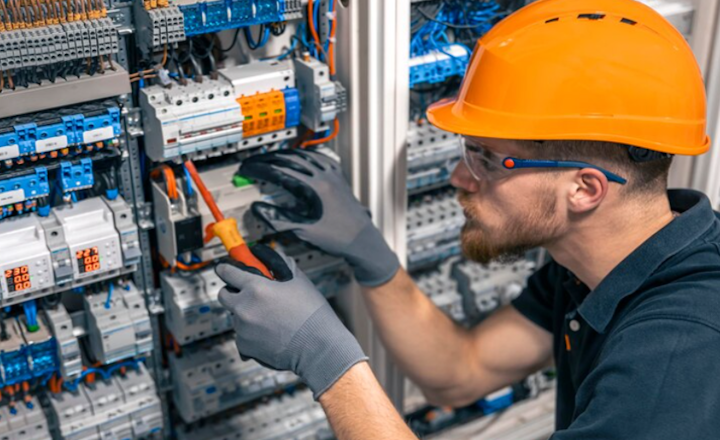
To ensure these systems function seamlessly, the role of an experienced electrical contractor Melbourne becomes essential. From installation to maintenance, their expertise ensures that automation systems are safe, efficient, and built to last.
Understanding The Role Of Industrial Automation
Industrial automation involves the use of control systems, machinery, and technology to perform tasks with minimal human intervention. These systems are designed to improve efficiency, accuracy, and consistency in production processes.
Automation can range from simple control mechanisms to complex integrated systems that manage entire operations. Reducing manual involvement minimises errors and enhances productivity.
This shift toward automation allows industries to meet increasing demands while maintaining high standards of quality.
Why Automation Is Essential For Modern Industries
As industries grow, the need for faster and more efficient production becomes critical. Automation provides a solution by optimising processes and reducing downtime.
It enables businesses to produce more in less time while maintaining consistency. This efficiency is essential for staying competitive in a global market.
Automation also allows for better resource management, reducing waste and improving overall performance.
Enhancing Productivity And Operational Efficiency
One of the primary benefits of industrial automation is increased productivity. Automated systems can operate continuously without fatigue, ensuring consistent output.
They also reduce the time required for tasks, allowing businesses to meet deadlines more effectively. This leads to improved operational efficiency and higher profitability.
By streamlining processes, automation helps industries achieve better results with fewer resources.
Improving Accuracy And Reducing Errors
Manual processes are prone to human error, which can impact product quality and operational efficiency. Automation systems are designed to perform tasks with high precision, reducing the likelihood of mistakes.
This accuracy ensures that products meet quality standards and reduces the need for rework. Consistency in production enhances reliability and customer satisfaction.
Improved accuracy is a key factor in maintaining a competitive advantage.
The Role Of Electrical Contractors In Automation
Electrical contractors play a crucial role in implementing and maintaining automation systems. They ensure that all components are installed correctly and operate safely.
From wiring and control systems to troubleshooting and maintenance, their expertise is essential for smooth operation. They also ensure compliance with safety standards and regulations.
A skilled electrical contractor ensures that automation systems deliver optimal performance.
Adapting To Changing Industry Needs
Industries are constantly evolving, driven by technological advancements and market demands. Automation systems are designed to adapt to these changes, offering flexibility and scalability.
Businesses can upgrade or modify systems to meet new requirements without significant disruptions. This adaptability ensures long-term relevance and efficiency.
By staying flexible, industries can respond quickly to changing conditions.
Enhancing Workplace Safety
Automation reduces the need for manual involvement in hazardous tasks, improving workplace safety. Machines can handle dangerous operations, minimising the risk of injuries.
This creates a safer working environment for employees while maintaining productivity. Safety improvements also contribute to better compliance with regulations.
A focus on safety enhances both employee well-being and operational reliability.
Reducing Costs And Increasing Profitability
While automation requires an initial investment, it offers long-term cost savings. Reduced labour costs, improved efficiency, and minimised errors contribute to higher profitability.
Automation also reduces waste and optimises resource usage, further enhancing financial performance. Over time, the benefits outweigh the initial costs.
Cost efficiency is a major advantage of adopting automation.
Integrating Technology For Smarter Operations
Modern automation systems integrate advanced technologies such as sensors, data analytics, and remote monitoring. These tools provide real-time insights into operations, enabling better decision-making.
Integration with digital platforms allows businesses to monitor performance and identify areas for improvement. This leads to smarter and more efficient operations.
Technology integration is shaping the future of industrial processes.
Building A Future-Ready Industrial Environment
Industrial automation and skilled electrical contractors work together to create environments that are efficient, safe, and adaptable. By combining advanced technology with expert implementation, businesses can achieve sustainable growth.
With the right systems in place, industries can improve productivity, reduce costs, and maintain high standards of quality. It’s about creating operations that are not only efficient today but also ready for the future.
In the end, industrial automation transforms complexity into coordination, where every process flows seamlessly, and every system contributes to success.
| < Prev | Next > |
|---|