
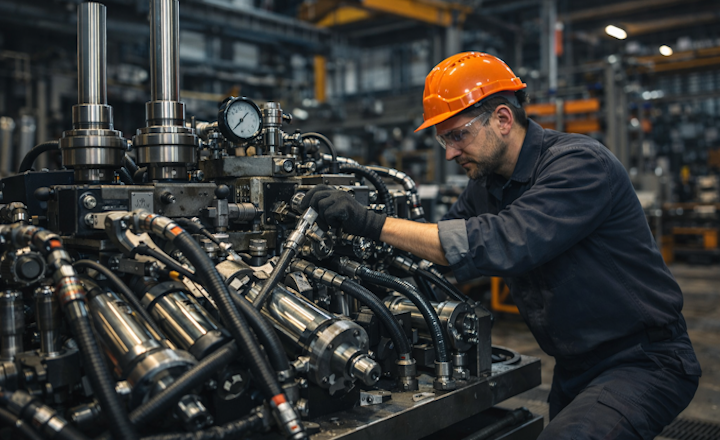
A well-designed hydraulic system is at the heart of countless industrial machines and equipment used across sectors such as manufacturing, mining, construction, agriculture, transportation, and energy production. Hydraulic technology enables the efficient transfer of power through pressurised fluid, allowing heavy machinery to perform tasks that would otherwise require enormous mechanical force. Its reliability, precision, and ability to generate significant power make it one of the most widely used technologies in industrial operations worldwide.
As industries continue to demand higher productivity and greater efficiency, hydraulic systems remain a critical solution for powering equipment in challenging environments. Their versatility allows them to be integrated into a wide range of applications, from lifting and material handling to automation and motion control.
Understanding How Hydraulic Systems Work
Hydraulic systems operate by using fluid under pressure to transmit force from one point to another. This principle allows relatively small input forces to generate substantial output power, making hydraulics highly effective for heavy-duty applications.
A typical hydraulic system consists of pumps, cylinders, valves, filters, reservoirs, and hoses that work together to control fluid movement. When fluid is pressurised, it transfers energy throughout the system, enabling machinery to perform precise and powerful movements.
This ability to combine force and control is one of the key reasons hydraulics remain essential in industrial equipment.
Why Hydraulics Are Used Across Multiple Industries
One of the greatest advantages of hydraulic technology is its versatility. Industries with vastly different operational requirements can benefit from hydraulic systems due to their adaptability and performance capabilities.
Construction equipment such as excavators, loaders, and cranes rely on hydraulics to lift heavy loads and perform precise movements. Mining operations use hydraulic systems to power drilling equipment, processing machinery, and material handling solutions.
Manufacturing facilities utilise hydraulics in production equipment, presses, and automated machinery where accuracy and reliability are essential.
The Power Advantage of Hydraulic Technology
Hydraulic systems are known for their exceptional power density. They can generate significant force using relatively compact components, making them ideal for applications where space is limited but performance requirements are high.
This capability allows operators to move heavy loads with precision while maintaining efficient energy transfer. Compared with some alternative technologies, hydraulics often provide greater force output for a given system size.
As a result, hydraulic equipment remains a preferred choice for demanding industrial tasks.
Precision and Control in Industrial Applications
While hydraulic systems are often associated with power, they also provide excellent control capabilities. Operators can regulate speed, direction, force, and positioning with a high degree of accuracy.
This level of control is particularly valuable in manufacturing environments where consistency and precision directly influence product quality. Hydraulic systems enable machinery to perform repeatable tasks while maintaining stable performance throughout production cycles.
The combination of power and control helps improve operational efficiency and process reliability.
Supporting Productivity and Efficiency
Industrial organisations continually seek ways to maximise productivity while controlling operating costs. Hydraulic systems contribute to these objectives by providing reliable performance and efficient power transmission.
Modern hydraulic technology is designed to operate continuously in demanding environments while minimising energy losses. Efficient system design can help reduce downtime and support consistent production output.
Reliable equipment allows businesses to focus on achieving operational goals without unnecessary interruptions.
The Importance of Filtration and Fluid Management
Hydraulic fluid plays a critical role in system performance. In addition to transmitting power, it lubricates components, helps dissipate heat, and protects against wear.
Contaminated fluid can negatively affect performance and lead to premature component failure. For this reason, filtration systems are an essential part of hydraulic infrastructure.
Proper fluid management and maintenance practices help extend equipment lifespan, improve reliability, and reduce maintenance expenses over time.
Maintenance Practices for Long-Term Reliability
Like any industrial technology, hydraulic systems perform best when supported by routine maintenance. Regular inspections help identify leaks, worn components, and potential performance issues before they become major problems.
Monitoring fluid condition, replacing filters, and following manufacturer maintenance recommendations all contribute to system longevity. Preventive maintenance programs allow organisations to minimise unexpected downtime and improve overall equipment reliability.
A proactive maintenance strategy helps maximise the return on investment in hydraulic equipment.
The Future of Hydraulic Technology
Hydraulic systems continue to evolve as manufacturers develop new technologies aimed at improving efficiency, performance, and sustainability. Advances in filtration, monitoring systems, electronic controls, and energy management are helping create smarter hydraulic solutions.
Modern systems increasingly integrate with automation platforms and digital monitoring technologies, allowing operators to gain greater visibility into performance and maintenance requirements.
These innovations are helping industries achieve higher productivity while reducing operating costs and environmental impact.
Why Hydraulics Remain Essential
Despite the growth of alternative technologies, hydraulics continue to play a central role in industrial operations because of their unique combination of power, precision, and reliability. Many heavy-duty applications still require the force generation capabilities that hydraulic systems provide.
Their ability to operate effectively in demanding environments ensures they remain relevant across a broad range of industries. As technology advances, hydraulic systems are expected to become even more efficient and capable.
This ongoing evolution will continue to support industrial growth and operational performance.
Conclusion
Hydraulic technology remains one of the most effective solutions for powering industrial equipment and machinery. Its ability to deliver substantial force, precise control, and dependable performance makes it invaluable across industries ranging from mining and construction to manufacturing and agriculture. By investing in quality hydraulic systems and maintaining them properly, organisations can improve efficiency, enhance reliability, and support long-term operational success.
As industrial demands continue to evolve, hydraulic systems will remain a key driver of productivity and innovation across modern industry.
| < Prev | Next > |
|---|