
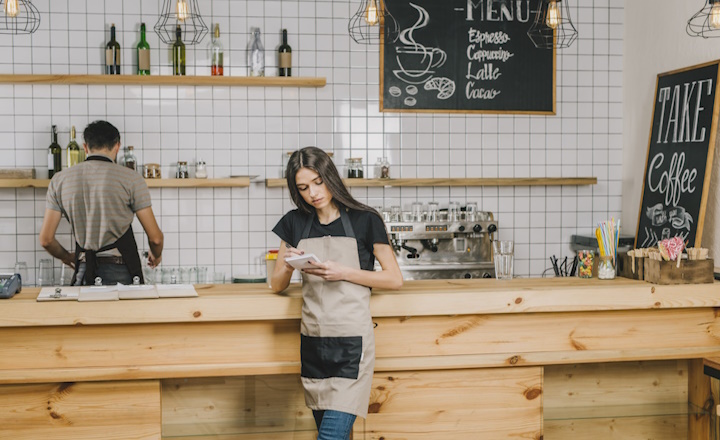
Two coffee shops on the same street, both seemingly similar in size and setup, can end up paying very different premiums for their business insurance. It's a common source of confusion for owners comparing quotes, and it usually comes down to a specific set of factors insurers weigh when pricing a policy — not guesswork or inconsistency.
Understanding what actually drives the cost of coffee shop business insurance makes it easier to have a productive conversation with a broker and to know where genuine savings are possible without leaving the business exposed.
Size, Turnover and Staff Numbers
Insurers typically start with the scale of the operation. Seating capacity, annual turnover, and staff numbers all factor into the level of exposure a business represents. A busier café with more customers through the door and more staff on shift generally carries a higher likelihood of a claim than a small single-operator takeaway counter.
This is why two businesses that look similar from the street can end up with noticeably different quotes. A twelve-seat café running two staff on a weekday shift represents a different risk to a forty-seat operation with a full front-of-house and kitchen team, even if the two premises are a similar size and located in the same suburb.
What's Actually Being Cooked
Not every coffee shop runs the same kind of kitchen. An operator serving only coffee and pre-packaged food carries a different risk profile to one running a full kitchen with deep fryers or a wok station. Licensed premises, or those offering BYO, also tend to attract higher premiums, since alcohol on-site increases the likelihood of an incident occurring.
Equipment matters here too. A café running multiple espresso machines, commercial refrigeration, and kitchen appliances has more to lose if something breaks down or is damaged, and insurers factor the replacement value of that equipment into the overall cost of cover.
The Premises — Construction, Location and Fire Protection
Where a café operates from has a meaningful impact on cost. A tenancy inside a shopping centre with sprinklers, fire alarms and on-site security will usually attract a lower premium than a standalone shopfront built from combustible materials with limited fire protection. Cold rooms, and the proportion of floor space they occupy, can also influence pricing given the value of stock they typically hold.
Ownership Changes What Needs to Be Insured
One of the most persistent misconceptions among café owners is assuming their insurance needs are identical whether they own or lease their premises. In practice, this distinction changes both what needs to be insured and how the premium is calculated.
For those leasing, a landlord's building insurance typically protects the structure itself — not the tenant's fit-out, equipment, stock, or liability exposure. Coffee machines, furniture, and kitchen equipment remain the operator's responsibility to insure, regardless of who owns the building. This gap catches a surprising number of tenant café owners out at claim time.
Owner-operators face a different equation. Their policy needs to extend to the building structure and fixtures, not just contents. And where part of the building is leased out to another business, rental income protection becomes a relevant consideration — something often overlooked until an insured event interrupts that income stream.
This ownership distinction also affects how a claim is assessed. A tenant's claim is generally limited to the contents and fit-out they insured, while an owner's claim may need to account for structural repair costs, code-compliance upgrades, and any rental income lost while the building is unusable. Getting this wrong at the policy stage — rather than at claim time — is far less costly.
Basic Cover vs Comprehensive Cover
Premium differences often come down to how much of the underlying risk is actually being covered. A basic public liability policy protects against customer injury claims, but leaves the building, fit-out, stock, and income exposed if something goes wrong.
|
Risk |
Basic Cover (Public Liability only) |
Comprehensive Cover |
|
Customer injury claims |
Covered |
Covered |
|
Building / fit-out damage |
Not covered |
Covered |
|
Equipment breakdown |
Not covered |
Covered |
|
Lost income after closure |
Not covered |
Covered (business interruption) |
The cheapest option is rarely the most suitable one — it simply shifts more of the financial risk back onto the business owner if an incident occurs.
Costs Are Trending Upward Across the Industry
Premium affordability has become a bigger concern across the Australian insurance industry more broadly, driven by rising inflation, an increase in weather-related claims, and tighter regulatory requirements on insurers. For coffee shop owners, this makes managing the factors above — scale, kitchen activity, premises, and ownership structure — more valuable than ever in keeping premiums under control.
Getting the Right Cover
There's no single figure that applies to every coffee shop, and pricing that treats all café owners the same tends to miss the details that matter most. Speaking with a broker who understands hospitality risk, and coming prepared with details about turnover, kitchen setup, premises, and ownership structure, is the most reliable way to get a quote that reflects the business's actual exposure — rather than a generic estimate.
| < Prev | Next > |
|---|