
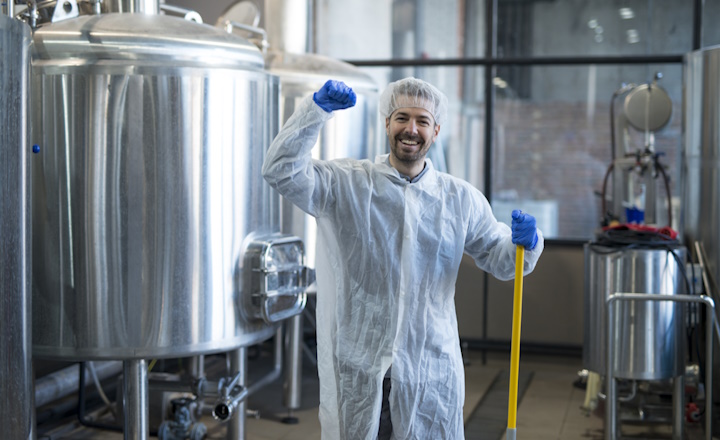
Professional food manufacturing cleaning services play a crucial role in maintaining hygiene, product quality, and operational efficiency within food production facilities. Food manufacturers operate under strict regulatory requirements and must maintain high standards of cleanliness to protect consumers, employees, and business reputation. Effective cleaning programs help minimise contamination risks while supporting consistent production processes and compliance with industry standards.
Food production environments present unique cleaning challenges due to the constant handling of raw ingredients, processing equipment, packaging materials, and finished products. Maintaining a hygienic facility requires a structured approach that addresses both visible cleanliness and microbial control.
The Importance of Hygiene in Food Production
Food safety begins with maintaining a clean production environment. Contaminants such as bacteria, mould, allergens, and foreign materials can affect product quality and potentially create health risks for consumers.
Regular cleaning helps remove residues that may accumulate during manufacturing processes. By controlling contamination sources, food manufacturers can maintain safer operations and reduce the likelihood of product recalls or quality issues.
Strong hygiene practices also contribute to greater confidence among customers, regulators, and business partners.
Supporting Regulatory Compliance
Food manufacturing facilities must comply with strict regulations designed to protect public health. Regulatory bodies and industry standards often require businesses to demonstrate effective cleaning and sanitation procedures.
Professional cleaning programs help support compliance by ensuring facilities maintain appropriate hygiene standards. Documented cleaning processes and regular maintenance can also assist during audits and inspections.
Compliance not only protects consumers but also helps businesses avoid penalties, operational disruptions, and reputational damage.
Reducing Cross-Contamination Risks
Cross-contamination is a major concern in food production environments. Ingredients, allergens, and microorganisms can be transferred between products if cleaning procedures are not managed effectively.
Comprehensive cleaning helps remove residues from production surfaces, equipment, storage areas, and processing zones. This reduces the risk of contamination and supports safer production practices.
Managing cross-contamination effectively is particularly important for facilities producing multiple product lines.
Maintaining Product Quality
Consumers expect food products to meet consistent quality standards. Clean manufacturing environments contribute directly to achieving this objective by reducing the presence of contaminants that may affect taste, appearance, texture, or safety.
Proper cleaning helps maintain equipment performance and ensures production processes operate under hygienic conditions. Consistency in cleaning practices often translates into greater consistency in product quality.
This contributes to stronger customer satisfaction and brand reputation over time.
Protecting Equipment and Infrastructure
Food processing equipment represents a significant investment for manufacturers. Residue build-up, moisture accumulation, and contamination can affect equipment performance and contribute to premature wear.
Regular cleaning helps maintain machinery in good operating condition while reducing the likelihood of breakdowns and maintenance issues. Clean equipment often operates more efficiently and experiences fewer performance-related problems.
Protecting infrastructure through proper cleaning can help extend asset lifespan and improve return on investment.
Enhancing Workplace Safety
Clean facilities contribute to safer working environments. Food manufacturing sites can experience hazards such as spills, grease accumulation, and residue build-up that increase the risk of slips and other workplace incidents.
Routine cleaning helps eliminate these hazards while creating a more organised and professional work environment. Employees are more likely to perform effectively when working in clean and well-maintained facilities.
Safety improvements also support compliance with workplace health and safety requirements.
Specialised Cleaning Requirements in Food Facilities
Food manufacturing environments often require specialised cleaning techniques that differ from those used in standard commercial buildings. Equipment, production lines, storage areas, and processing surfaces may require specific cleaning procedures and approved sanitation products.
Cleaning programs must be designed to address the unique operational requirements of the facility while avoiding disruption to production activities. Understanding these specialised needs is essential for maintaining effective hygiene standards.
Tailored cleaning solutions help ensure all critical areas receive appropriate attention.
The Role of Preventive Cleaning Programs
Preventive cleaning is an important strategy for maintaining consistent hygiene standards. Rather than responding only when problems occur, food manufacturers benefit from scheduled cleaning programs that address contamination risks proactively.
Routine cleaning helps prevent the accumulation of residues and reduces the likelihood of hygiene-related issues affecting operations. This approach supports long-term efficiency while helping businesses maintain compliance and product quality.
Preventive programs often result in lower costs compared to reactive cleaning measures.
Supporting Business Reputation
Reputation is one of the most valuable assets in the food industry. Consumers expect manufacturers to prioritise safety, quality, and cleanliness throughout the production process.
A strong cleaning program helps demonstrate a commitment to these standards. Consistently maintaining hygienic facilities supports customer confidence and strengthens relationships with suppliers, distributors, and regulatory authorities.
Protecting reputation can contribute to long-term business success and competitive advantage.
Conclusion
Food manufacturing facilities operate in highly regulated environments where hygiene and safety are essential. Professional food manufacturing cleaning helps support compliance, reduce contamination risks, maintain product quality, protect equipment, and create safer workplaces. Through structured cleaning programs and proactive maintenance strategies, food manufacturers can improve operational performance while safeguarding consumer health.
For businesses seeking to maintain high standards of cleanliness and food safety, investing in professional food manufacturing cleaning services is an important step toward long-term operational success.
| Next > |
|---|