
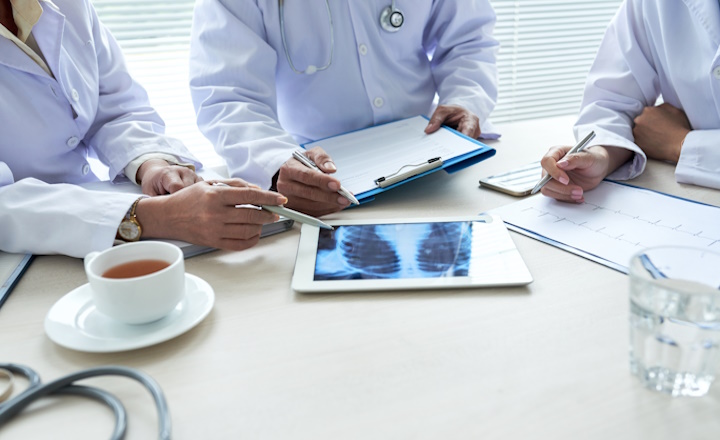
Pulmonary diseases encompass a broad range of conditions that affect the lungs and respiratory system, including asthma, chronic obstructive pulmonary disease (COPD), pulmonary fibrosis, lung infections, and lung cancer. Accurate and timely diagnosis is essential for effective treatment and improved patient outcomes. Modern medicine uses a combination of clinical evaluation, advanced imaging, laboratory testing, and innovative technologies to diagnose pulmonary diseases with greater precision than ever before.
Clinical Assessment and Medical History
The diagnostic process often begins with a detailed clinical assessment. Healthcare providers evaluate a patient’s symptoms, such as chronic cough, shortness of breath, chest pain, wheezing, or fatigue. The duration, severity, and triggers of these symptoms provide valuable diagnostic clues.
A thorough medical history is equally important. Physicians ask about smoking habits, occupational exposures, environmental pollutants, family history of lung disease, and previous respiratory infections. Physical examination, including listening to lung sounds with a stethoscope, helps identify abnormal breathing patterns, crackles, or wheezes that may indicate underlying pathology.
Pulmonary Function Testing
Pulmonary function tests (PFTs) are essential tools in modern pulmonary diagnosis. These tests measure how well the lungs work by assessing airflow, lung volume, and gas exchange. Spirometry is the most commonly used test and helps diagnose conditions such as asthma and COPD by measuring how much air a patient can inhale and exhale, and how quickly.
More advanced PFTs, including lung volume measurements and diffusion capacity tests, evaluate the lungs’ ability to transfer oxygen into the bloodstream. These tests are particularly useful for diagnosing restrictive lung diseases like pulmonary fibrosis and for assessing disease severity.
Imaging Techniques
Medical imaging plays a central role in diagnosing pulmonary diseases. Chest X-rays are often the first imaging study performed and can reveal infections, fluid accumulation, lung collapse, or masses. For more detailed evaluation, computed tomography (CT) scans provide high-resolution images of lung tissue, allowing clinicians to detect subtle abnormalities, scarring, or tumors.
In certain cases, magnetic resonance imaging (MRI) may be used to assess blood vessels or soft tissue structures in the chest. Imaging studies not only aid diagnosis but also help monitor disease progression and response to treatment.
Laboratory and Microbiological Tests
Laboratory tests are used to identify infections, inflammation, and immune-related lung disorders. Blood tests can measure oxygen and carbon dioxide levels, detect markers of infection, or reveal autoimmune activity. Arterial blood gas (ABG) analysis provides critical information about gas exchange and respiratory function.
Sputum analysis helps identify bacterial, viral, or fungal pathogens in patients with chronic cough or recurrent infections. In suspected cases of tuberculosis or pneumonia, microbiological cultures and molecular tests guide targeted treatment.
Advanced Diagnostic Procedures
When noninvasive tests are inconclusive, more advanced procedures may be required. Bronchoscopy allows direct visualization of the airways using a flexible camera and enables tissue sampling or fluid collection for analysis. Biopsy procedures, including needle biopsy or surgical biopsy, are used to confirm diagnoses such as lung cancer or interstitial lung disease.
Emerging technologies such as molecular diagnostics and genetic testing, are increasingly used to identify specific disease subtypes and guide personalized treatment strategies.
Conclusion
Modern medicine offers a comprehensive and evolving approach to pulmonary disease diagnosis. By combining clinical evaluation, pulmonary function testing, advanced imaging, laboratory analysis, and specialized procedures, healthcare providers can accurately diagnose a wide range of lung conditions. Early and precise diagnosis is the foundation of effective treatment, allowing patients to receive timely care and achieve better long-term respiratory health.
| < Prev | Next > |
|---|