


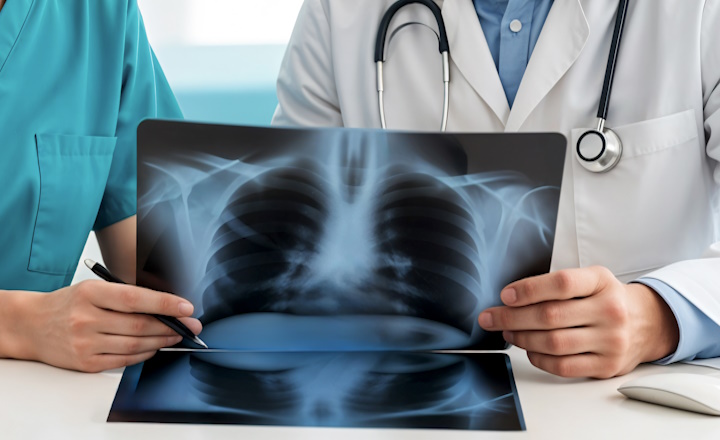
Pulmonary diseases include a wide range of conditions that affect the lungs and respiratory system, such as asthma, chronic obstructive pulmonary disease (COPD), pulmonary fibrosis, and respiratory infections. Effective treatment requires a combination of clinical interventions and patient-centered care aimed at relieving symptoms, slowing disease progression, and improving overall quality of life. Advances in medical science have significantly improved outcomes for individuals living with pulmonary conditions.
Clinical Approaches to Pulmonary Disease Treatment
Treatment strategies for pulmonary disease depend on the specific diagnosis, severity of symptoms, and underlying causes. Medication therapy is often the cornerstone of treatment. Bronchodilators are commonly prescribed to relax airway muscles and improve airflow, especially in conditions like asthma and COPD. These medications may be short-acting for quick relief or long-acting for ongoing symptom control.
Anti-inflammatory drugs, particularly corticosteroids, help reduce airway inflammation and prevent flare-ups. Infections are treated with appropriate antibiotics, antivirals, or antifungal medications, depending on the cause. For chronic and progressive conditions, newer targeted therapies and biologic agents may be used to manage inflammation and immune system responses.
Oxygen therapy is a critical intervention for patients with low blood oxygen levels. Supplemental oxygen can reduce breathlessness, protect vital organs, and enhance daily functioning. In hospital settings, oxygen delivery may be combined with ventilatory support for patients experiencing acute respiratory failure.
In advanced cases, surgical interventions may be considered. Procedures such as lung volume reduction surgery, removal of diseased lung tissue, or lung transplantation are reserved for severe conditions that do not respond to conventional treatment. These approaches require careful evaluation and long-term follow-up.
Pulmonary Rehabilitation and Supportive Care
Pulmonary rehabilitation is an essential component of comprehensive pulmonary disease management. This structured program combines supervised exercise training, breathing techniques, and education to improve physical endurance and lung efficiency. Patients who participate in pulmonary rehabilitation often experience reduced symptoms, increased independence, and fewer hospitalizations.
Supportive care also includes nutritional counseling, as maintaining a healthy weight is vital for optimal breathing. Underweight patients may struggle with muscle weakness, while excess weight can place additional strain on the lungs. Mental health support is equally important, as anxiety and depression are common among individuals with chronic respiratory conditions.
Patient-Centered Care and Self-Management
Effective pulmonary disease treatment extends beyond clinical settings and relies heavily on patient involvement. Patient education empowers individuals to understand their condition, recognize early warning signs of exacerbations, and adhere to prescribed treatment plans. Learning proper inhaler techniques and medication schedules can significantly improve treatment effectiveness.
Lifestyle modifications play a crucial role in long-term management. Smoking cessation is the most important step for preventing further lung damage. Patients are also encouraged to avoid air pollutants, allergens, and occupational hazards whenever possible. Regular physical activity, tailored to individual tolerance levels, helps maintain lung function and overall health.
Vaccinations against influenza, pneumonia, and other respiratory infections are recommended to reduce complications. Regular follow-up appointments allow healthcare providers to monitor disease progression, adjust treatments, and address emerging concerns promptly.
The Role of Multidisciplinary Care
Pulmonary disease management often involves a multidisciplinary healthcare team, including pulmonologists, primary care physicians, respiratory therapists, nurses, dietitians, and mental health professionals. This collaborative approach ensures that all aspects of the patient’s health are addressed, from medical treatment to emotional well-being.
Conclusion
Pulmonary disease treatment requires a balanced approach that combines evidence-based clinical therapies with compassionate, patient-centered care. Early diagnosis, individualized treatment plans, and active patient participation are key to managing symptoms and improving long-term outcomes. With proper medical support and lifestyle adjustments, many individuals with pulmonary diseases can lead active, fulfilling lives while maintaining better respiratory health.
| Next > |
|---|