


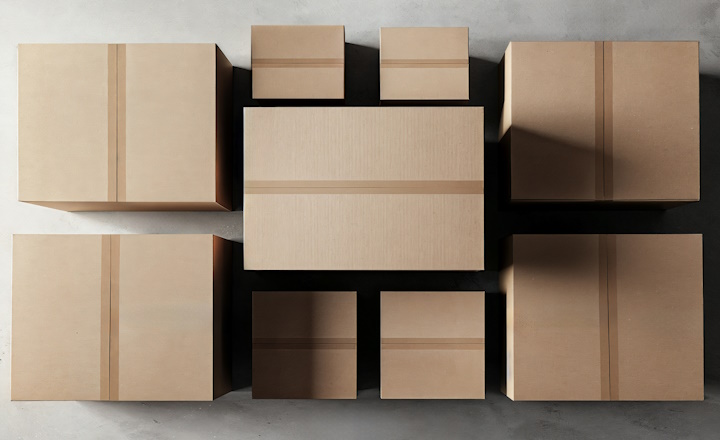
Packaging plays a critical role in product protection, transportation, storage, and brand presentation. Businesses across industries rely on high-quality packaging solutions to ensure products reach customers safely while maintaining a professional appearance. A reliable cardboard box manufacturer helps businesses meet these objectives by providing durable, practical, and customised packaging solutions that support both operational efficiency and customer satisfaction.
Cardboard boxes are among the most widely used packaging materials because they offer versatility, affordability, and environmental benefits. From retail and e-commerce to manufacturing and logistics, organisations depend on cardboard packaging to protect products throughout the supply chain.
As consumer expectations and sustainability requirements continue to evolve, the role of professional packaging manufacturers has become increasingly important.
The Growing Importance Of Quality Packaging
Packaging serves multiple functions beyond simply containing products. It protects items from damage, assists with transportation, supports storage efficiency, and contributes to brand recognition.
Poor-quality packaging can result in damaged products, increased returns, and negative customer experiences. Businesses therefore benefit from packaging solutions that provide both strength and reliability.
Professional manufacturers help ensure packaging performs effectively throughout every stage of distribution.
Supporting Product Protection
One of the primary functions of cardboard boxes is protecting products during handling, transportation, and storage. Goods often pass through multiple stages before reaching the end user, making protective packaging essential.
Well-designed cardboard boxes help absorb impacts, reduce movement, and minimise the risk of damage. Appropriate packaging solutions can be tailored to suit specific product types and shipping requirements.
Effective protection contributes to lower replacement costs and improved customer satisfaction.
Meeting Diverse Industry Requirements
Different industries have unique packaging needs. Retail businesses, manufacturers, food producers, pharmaceutical companies, and e-commerce retailers all require packaging solutions suited to their products.
Cardboard box manufacturers provide a wide range of designs, sizes, and specifications that accommodate these varying requirements. Customisation ensures businesses receive packaging that aligns with operational demands and product characteristics.
This flexibility makes cardboard packaging suitable for a broad range of applications.
Enhancing Brand Presentation
Packaging is often the first physical interaction customers have with a product. As a result, it plays an important role in shaping perceptions of a brand.
Custom-designed cardboard boxes can incorporate branding elements such as logos, colours, graphics, and messaging. Consistent packaging presentation helps strengthen brand identity and improve customer recognition.
Professional packaging contributes to a more polished and memorable customer experience.
Supporting E-Commerce Growth
The continued expansion of online shopping has increased demand for reliable shipping packaging. E-commerce businesses depend on durable boxes that protect products while remaining cost-effective to transport.
Cardboard boxes offer an ideal solution because they are lightweight, strong, and available in a variety of configurations. Proper packaging helps ensure products arrive in good condition while supporting efficient fulfilment operations.
As e-commerce continues to grow, quality packaging remains a critical business requirement.
Promoting Sustainability Goals
Environmental responsibility is becoming increasingly important for businesses and consumers alike. Sustainable packaging solutions help reduce environmental impact while supporting corporate sustainability initiatives.
Cardboard is widely recognised as a recyclable and renewable packaging material. Many manufacturers use responsibly sourced materials and environmentally conscious production processes.
Sustainable packaging choices can strengthen brand reputation while contributing to broader environmental objectives.
Improving Supply Chain Efficiency
Packaging influences how products are stored, handled, and transported throughout the supply chain. Efficient packaging design can improve logistics performance and reduce operational costs.
Standardised box sizes, durable construction, and effective stacking capabilities help optimise storage space and transportation efficiency. Well-designed packaging supports smoother operations from production through to delivery.
These efficiencies contribute to cost savings and improved business performance.
Custom Packaging Solutions
Many businesses require packaging tailored to specific products or operational needs. Custom packaging helps ensure products fit securely while maximising protection and presentation quality.
Manufacturers can develop packaging solutions based on dimensions, weight requirements, branding objectives, and logistical considerations. Tailored designs often provide better functionality than generic alternatives.
Customisation allows businesses to achieve packaging solutions that align closely with their goals.
The Importance Of Choosing An Experienced Manufacturer
The quality of packaging often depends on the expertise of the manufacturer. Experienced providers understand material selection, structural design, production processes, and industry requirements.
Working with a knowledgeable manufacturer helps businesses access reliable packaging solutions that meet both operational and branding objectives. Professional guidance can also assist with identifying opportunities for improved efficiency and sustainability.
Selecting the right partner contributes to long-term packaging success.
Conclusion
A cardboard box manufacturer plays a vital role in helping businesses protect products, strengthen branding, improve logistics efficiency, and support sustainability initiatives. Through customised packaging solutions, durable materials, and professional expertise, manufacturers provide products that support the entire supply chain. As packaging continues to influence customer experience and operational performance, investing in quality cardboard box solutions remains an important decision for businesses across a wide range of industries.