


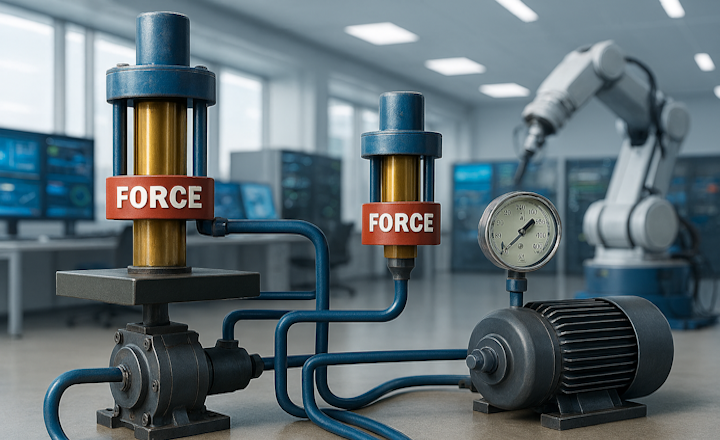
Across modern industry, power must be delivered with control, reliability, and efficiency. Hydraulic systems make this possible by using pressurised fluid to transmit force and motion with remarkable precision. From manufacturing plants and mobile machinery to energy, mining, and infrastructure projects, hydraulics remain a cornerstone technology that supports heavy loads, smooth movement, and dependable performance in demanding environments.
What sets hydraulic systems apart is their ability to generate high force from relatively compact components. By harnessing fluid pressure, they deliver consistent power that can be accurately controlled, making them ideal for applications where strength and precision must coexist. This balance has ensured the continued relevance of hydraulics even as automation and digital technologies advance.
Understanding How Hydraulic Systems Work
At the heart of a hydraulic system is an incompressible fluid, typically oil, that transfers energy from one point to another. When pressure is applied to the fluid through a pump, that pressure is transmitted evenly throughout the system. Valves direct the flow, while actuators such as cylinders or motors convert hydraulic energy into mechanical motion.
This method of power transmission allows for smooth, controlled movement, even under heavy loads. Because the fluid distributes force evenly, hydraulic systems can lift, push, pull, or rotate with a level of control that is difficult to achieve using purely mechanical or electrical systems in high-force applications.
Key Components That Enable Reliable Operation
Hydraulic systems rely on a combination of carefully engineered components working together. Pumps generate flow and pressure, valves regulate direction and speed, and actuators perform the physical work. Supporting components such as filters, reservoirs, and hoses ensure the fluid remains clean, contained, and properly conditioned.
Each component plays a critical role in overall system performance. Contaminated fluid, poorly maintained seals, or incorrectly sized components can compromise efficiency and reliability. For this reason, hydraulic systems are designed with an emphasis on quality, compatibility, and proper maintenance from the outset.
Why Hydraulics Excel in Heavy-Duty Applications
One of the primary advantages of hydraulic systems is their high power density. Large forces can be generated using relatively small actuators, making hydraulics ideal for equipment where space is limited but power demands are high. This is why hydraulics are commonly used in construction machinery, mining equipment, presses, and lifting systems.
Hydraulics also provide smooth and precise control. Operators can adjust speed and force continuously, allowing for delicate movements as well as powerful actions within the same system. This versatility makes hydraulic technology suitable for both heavy industrial tasks and applications requiring fine control.
Hydraulic Systems in Industrial and Mobile Machinery
In industrial settings, hydraulic systems support manufacturing processes such as metal forming, injection moulding, and material handling. They enable machines to operate with repeatable accuracy, supporting consistent product quality and efficient production cycles.
Mobile machinery relies heavily on hydraulics for functions such as steering, lifting, braking, and propulsion. Excavators, loaders, agricultural equipment, and cranes depend on hydraulic power to perform complex movements under varying loads and conditions. The robustness of hydraulic systems makes them well-suited to these dynamic environments.
Efficiency, Control, and System Design Considerations
Designing an efficient hydraulic system requires careful consideration of flow rates, pressure levels, and component selection. Proper sizing ensures that energy is used effectively and that components are not subjected to unnecessary stress. Advances in valve technology and control systems have further improved efficiency by reducing energy losses and enhancing responsiveness.
Modern hydraulic systems often integrate electronic controls that allow for precise monitoring and adjustment of performance. This combination of fluid power and electronic intelligence supports more efficient operation, reduced wear, and improved system diagnostics.
Maintenance and Fluid Management
Reliable hydraulic performance depends heavily on fluid condition. Contamination from particles, moisture, or air can lead to accelerated wear, reduced efficiency, and component failure. Filtration, regular fluid analysis, and proper sealing are essential practices for maintaining system health.
Routine inspection and maintenance help identify issues early, preventing costly downtime. By monitoring pressure, temperature, and fluid cleanliness, operators can extend system lifespan and maintain consistent performance over time.
Safety and Reliability in Hydraulic Applications
Hydraulic systems are often used in applications where safety is critical. Controlled movement, load-holding capability, and predictable response make hydraulics suitable for lifting and positioning heavy loads safely. Safety valves, pressure relief devices, and properly designed circuits help protect both equipment and personnel.
Reliability is equally important. Well-designed hydraulic systems are known for their durability and ability to operate continuously under challenging conditions. This dependability is a key reason hydraulics remain a trusted technology across industries worldwide.
The Ongoing Role of Hydraulics in Modern Industry
Despite advances in electric and hybrid technologies, hydraulics continue to play a vital role in applications requiring high force, durability, and precise control. Ongoing innovation in materials, fluid technology, and system design is further enhancing performance and efficiency.
As industries evolve, hydraulic systems are increasingly integrated with digital monitoring and automation platforms. This integration allows for smarter operation, improved diagnostics, and better energy management, ensuring hydraulics remain relevant in modern, connected industrial environments.
Long-Term Value of Hydraulic Technology
Hydraulic systems represent a proven and adaptable solution for delivering power where it is needed most. Their ability to handle heavy loads, provide smooth control, and operate reliably in harsh conditions makes them indispensable across a wide range of applications. With proper design, maintenance, and integration, hydraulics continue to offer long-term value and performance that few other technologies can match.
As industrial demands grow and systems become more complex, hydraulic technology will remain a key enabler of efficient, powerful, and precise operations well into the future.
Hydraulic Systems Driving Power and Precision in Industrial Applications
Across modern industry, power must be delivered with control, reliability, and efficiency. Hydraulic systems make this possible by using pressurised fluid to transmit force and motion with remarkable precision. From manufacturing plants and mobile machinery to energy, mining, and infrastructure projects, hydraulics remain a cornerstone technology that supports heavy loads, smooth movement, and dependable performance in demanding environments.
What sets hydraulic systems apart is their ability to generate high force from relatively compact components. By harnessing fluid pressure, they deliver consistent power that can be accurately controlled, making them ideal for applications where strength and precision must coexist. This balance has ensured the continued relevance of hydraulics even as automation and digital technologies advance.
| < Prev | Next > |
|---|