


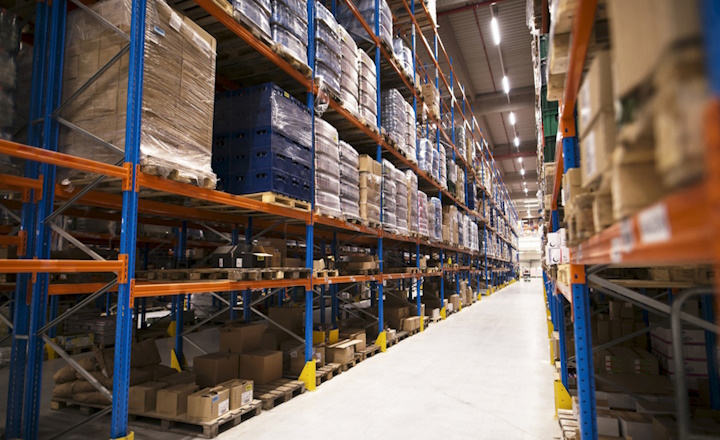
Efficient storage management plays a critical role in the success of warehouses, distribution centres, and manufacturing facilities. As businesses expand and inventory volumes increase, organisations must implement reliable storage systems that maximise available space while maintaining easy access to stored goods. One of the most effective storage solutions used in modern warehouses is pallet racking, a system designed to store palletised goods safely and efficiently.
Pallet racking systems are widely used across many industries because they allow businesses to organise inventory in structured storage layouts. By utilising vertical storage space, these systems help companies optimise warehouse capacity while maintaining efficient inventory handling processes.
Understanding How Pallet Racking Works
Pallet racking systems consist of upright frames and horizontal beams that create shelving structures capable of supporting heavy pallet loads. Pallets containing goods are placed on these beams using forklifts or other material handling equipment.
The design of pallet racking systems allows pallets to be stored at multiple levels above the floor, making it possible to use warehouse height to increase storage capacity.
This vertical storage approach is particularly beneficial for warehouses that handle large volumes of goods but have limited floor space.
Properly designed pallet racking systems allow forklifts to access stored pallets quickly, improving overall warehouse productivity.
Maximising Warehouse Space
One of the main advantages of pallet racking systems is their ability to maximise available warehouse space.
Traditional storage methods that rely solely on floor-level storage often waste vertical space within a facility.
Pallet racking systems utilise the height of the warehouse by stacking goods vertically in organised rows.
This arrangement allows businesses to store significantly more inventory within the same footprint.
By optimising space usage, companies can reduce the need for additional storage facilities and improve operational efficiency.
Improving Inventory Organisation
Warehouse efficiency depends heavily on proper inventory organisation.
Pallet racking systems allow businesses to categorise and store products systematically.
Each pallet location can be labelled and tracked using warehouse management systems, making it easier to identify and retrieve items when needed.
Organised storage reduces the time required to locate products and improves order fulfilment processes.
This structured approach helps businesses maintain accurate inventory records and minimise operational delays.
Enhancing Workplace Safety
Safety is a critical consideration in warehouse environments where heavy materials are handled regularly.
Pallet racking systems provide stable structures designed to support large pallet loads securely.
When installed and maintained properly, these systems reduce the risk of product collapse or accidental damage.
Clear aisles between racking rows allow forklifts and warehouse workers to move safely while handling goods.
Additionally, proper weight distribution across the racking system helps maintain structural stability.
Implementing reliable storage systems contributes to safer working conditions within warehouses.
Supporting Efficient Material Handling
Material handling efficiency is essential for maintaining smooth warehouse operations.
Pallet racking systems are designed to work seamlessly with forklifts and other lifting equipment.
This compatibility allows workers to load and unload pallets quickly without disrupting surrounding inventory.
Easy access to stored goods also helps speed up order picking processes, especially in distribution centres that handle high order volumes.
Efficient material handling contributes to faster processing times and improved productivity.
Adapting to Different Storage Needs
Pallet racking systems can be customised to meet the specific storage requirements of different industries.
Warehouses storing heavy industrial products may require reinforced racking structures that support larger loads.
Retail distribution centres may prioritise racking designs that allow quick access to frequently ordered products.
Cold storage facilities may also use pallet racking systems designed to withstand low-temperature environments.
This flexibility allows pallet racking systems to adapt to various storage applications.
Supporting Growing Businesses
As businesses expand, their storage requirements often increase significantly.
Pallet racking systems provide scalable storage solutions that can grow alongside business operations.
Additional racking levels or rows can be installed as inventory volumes increase.
This scalability helps companies accommodate growth without needing to relocate to larger facilities.
Flexible storage systems allow businesses to respond quickly to changing market demands.
Long-Term Cost Efficiency
Investing in pallet racking systems can provide long-term cost benefits for warehouse operations.
By maximising storage capacity, businesses can reduce the need for additional warehouse space.
Improved organisation and faster inventory handling also reduce labour costs and operational delays.
Durable racking structures designed for industrial use can last for many years with proper maintenance.
These long-term advantages make pallet racking a valuable investment for many companies.
Conclusion
Pallet racking systems are an essential component of modern warehouse storage because they maximise space, improve inventory organisation, and support efficient material handling.
By allowing businesses to store goods vertically and access them quickly, pallet racking helps optimise warehouse operations and increase productivity.
For companies seeking reliable and scalable storage solutions, pallet racking systems provide practical benefits that support long-term operational success.
| < Prev | Next > |
|---|