


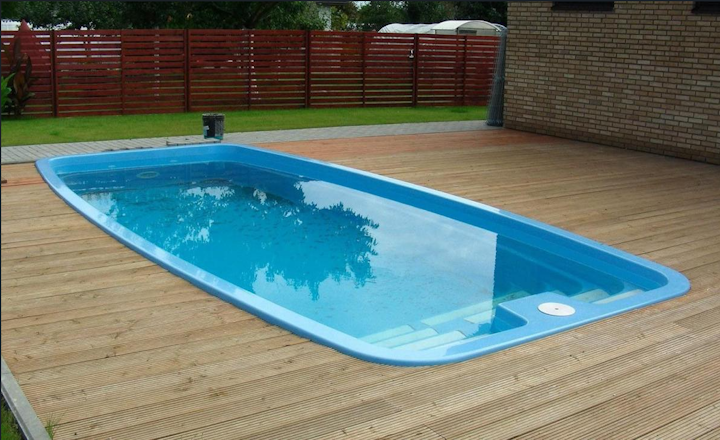
Selecting qualified swimming pool builders is a structural and compliance decision that affects safety, durability, and long-term performance. A concrete swimming pool is not a decorative addition. It is an engineered structure permanently installed in the ground, subject to soil movement, groundwater pressure, electrical regulations, and barrier laws. The builder's competence determines whether the pool remains structurally sound and operationally efficient over the decades.
When assessing swimming pool builders, focus on licensing, engineering documentation, construction sequencing, and hydraulic design. Early research should include reviewing experienced swimming pool builders who clearly outline their process and demonstrate compliance with Australian building standards. Process transparency is a strong indicator of technical discipline.
Licensing, Insurance and Regulatory Compliance
Professional swimming pool builders must hold the appropriate state contractor licence and comply with residential building legislation. In NSW, swimming pool construction falls under the Home Building Act 1989. Licensing confirms minimum competency standards and legal authority to perform residential building work.
The National Construction Code (NCC), administered by the Australian Building Codes Board, establishes performance requirements for structural adequacy and safety. Compliance affects excavation depth, structural reinforcement, electrical installation, and barrier requirements. Builders should be able to explain how their work aligns with the NCC and local council certification pathways.
Insurance is equally important. Home Building Compensation cover, where required, protects homeowners in cases of incomplete work or serious defects. Professional documentation, clear scope definitions, staged payments linked to milestones, and written variation procedures demonstrate risk management maturity.
Structural Engineering and Site-Specific Design
Concrete pool shells must be engineered for the specific site. Soil classification, slope, nearby footings, and groundwater conditions influence reinforcement schedules and shell thickness. Professional swimming pool builders engage qualified structural engineers to produce site-specific plans detailing:
- Reinforcement placement- Beam dimensions
- Footing requirements
- Hydrostatic relief systems where necessary
Reinforcement must be inspected prior to concrete placement to confirm compliance with engineering documentation. Concrete application methods, such as shotcrete, require skilled operators and proper curing practices. Curing affects compressive strength and durability. Poor curing increases the likelihood of cracking and reduces the effectiveness of subsequent finishes.
Engineering documentation should be available for review. Structural integrity must be supported by evidence, not assumption.
Construction Methodology and Quality Control
A professional build by sunshine coast pool builders follows defined stages: site survey, excavation, steel fixing, engineering inspection, concrete application, curing, interior preparation, hydraulic installation, and commissioning. Each stage supports the next.
Clear sequencing reduces cost variations and prevents scheduling disputes. Professional swimming pool builders treat inspection checkpoints as mandatory, not optional. Steel placement, pipework pressure testing, and electrical compliance are quality control steps that protect long-term performance.
Builders should also outline how weather events are managed, how excavation spoil is handled, and how site access is maintained safely. Process clarity reflects operational stability.
Hydraulic Design and Circulation Performance
Hydraulic design determines how well a pool functions. Water circulation must evenly distribute treated water, minimise stagnant areas, and support consistent filtration. Pump sizing, pipe diameter, skimmer positioning, and return jet placement influence turnover rates and energy efficiency.
The Royal Life Saving Society Australia highlights the importance of effective circulation in maintaining safe aquatic environments. While often referenced for public facilities, the principle applies to residential pools: proper hydraulic design supports hygiene and operational reliability.
Experienced swimming pool builders calculate system requirements based on pool volume, depth profile, and additional features such as spas or water elements. Oversized systems increase energy consumption. Undersized systems compromise filtration effectiveness. Balanced hydraulic planning reduces long-term operating costs.
Equipment layout should also allow safe servicing access and adequate ventilation.
Waterproofing, Finishes and Surface Longevity
Concrete is porous and requires proper curing before interior finishes are applied. Surface preparation affects adhesion and long-term durability. Interior systems such as pebble or quartz aggregates must be installed under controlled conditions and commissioned with balanced water chemistry.
Incorrect start-up procedures can cause staining or premature surface wear. Professional swimming pool builders provide written commissioning guidance and explain how chemical balance protects the finish.
Expansion joints, coping interfaces, and tile alignment must account for structural movement between the shell and surrounding hardscape. These technical details directly influence long-term performance.
Barrier Compliance and Safety Standards
Pool barriers must comply with Australian Standard AS 1926 and referenced NCC provisions. Requirements include minimum fence height, non-climb zones, and compliant gate hardware. Certification cannot be issued without compliance with barrier requirements.
Professional swimming pool builders integrate fencing design early in the planning stage, especially where boundary fences or landscaping affect compliance zones. Addressing barrier design late in construction often leads to rectification costs.
Safety compliance is part of the build system, not an accessory.
Experience, Stability and Aftercare
Operational history indicates process maturity. Builders with consistent years of operation under the same licence demonstrate stability. Reviewing completed projects across varied site conditions provides insight into technical capability.
Post-construction support matters. The handover should include equipment training, water-balancing instructions, warranty documentation, and maintenance recommendations. A concrete pool requires ongoing chemical balance to protect structural surfaces and mechanical components.
Professional swimming pool builders remain accessible after completion because long-term performance depends on proper maintenance practices and a clear understanding of the equipment.
Final Considerations
Selecting swimming pool builders requires reviewing licensing, engineering evidence, compliance systems, hydraulic planning, and aftercare support. Structural design must align with site conditions. Construction sequencing must be transparent. Safety compliance must be embedded from the outset.
The right swimming pool builders demonstrate expertise through documented engineering, staged inspections, and disciplined project management. When compliance, structure, and hydraulics are handled correctly, the pool performs safely and efficiently for decades.
| < Prev | Next > |
|---|