


Selecting the right equipment for industrial or outdoor work requires an understanding of how materials react to environmental stress. In sectors like construction, electrical maintenance, and heavy industry, tools are constantly exposed to UV radiation, moisture, and chemical agents. Among the various materials used for high-access equipment, fibreglass has become a standard for those operating in demanding conditions.
The longevity of a tool depends on its ability to maintain structural integrity despite the "wear and tear" of a professional site.
Resistance to Weathering and UV Exposure
One of the primary challenges for outdoor equipment is solar degradation. Many materials become brittle or lose their pigment when exposed to intense Australian sunlight for extended periods. Fibreglass is a composite material made of fine glass fibres embedded in a resin matrix, specifically engineered to withstand these conditions.
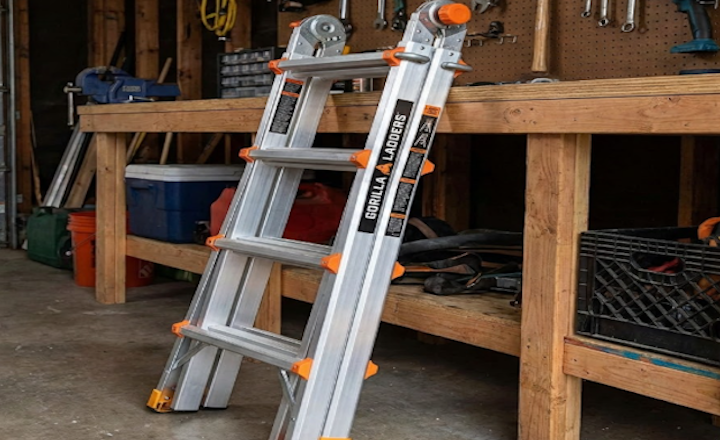
Unlike some plastics that may crack or metals that can become dangerously hot to the touch, high-quality fibreglass maintains its shape and strength. To further enhance this durability, professional-grade tools like gorilla ladders often feature UV-stabilised resins. This prevents "fibre bloom"—a condition where the resin wears away to expose the glass fibres—ensuring the tool remains smooth and safe to handle over years of service.
The Non-Conductive Advantage
In many harsh environments, the greatest risk is not the weather, but the presence of electrical hazards. For sparkies and maintenance crews, the material of their equipment is a critical safety factor. Fibreglass is naturally non-conductive, providing a vital barrier between the worker and the ground.
This electrical resistance does not diminish with age, provided the equipment is kept clean and free of moisture or conductive contaminants. This makes fibreglass the preferred choice over aluminium in any environment where live wires or heavy electrical machinery are present. It provides a level of protection that metal simply cannot offer, regardless of the environment’s temperature or humidity.
Corrosion and Chemical Resistance
Industrial sites often involve exposure to corrosive substances, including salts, acids, and various cleaning chemicals. Metals, even those treated with anti-corrosive coatings, can eventually succumb to rust or oxidation, particularly in coastal or high-moisture areas.
Fibreglass is inert and does not rust. This makes it an ideal material for:
- Coastal Construction: Where salt spray can quickly degrade traditional steel or aluminium tools.
- Chemical Plants: Where accidental splashes of corrosive liquids would compromise the safety of other materials.
Wet Environments: Such as plmbing or water treatment facilities where constant moisture is a factor.
Strength-to-Weight Ratio and Impact Resistance
Durability is also measured by how a material handles physical impact. In a fast-paced work environment, equipment is often bumped, dropped, or knocked. Fibreglass offers a high strength-to-weight ratio, meaning it provides the rigidity needed for heavy-duty tasks without the excessive weight of steel.
Furthermore, fibreglass has excellent "memory." While aluminium might dent or deform upon impact—potentially creating a structural weak point—fibreglass is more resilient. It tends to absorb impact and return to its original shape, ensuring the equipment remains stable and balanced for the user.
Maintenance for Long-Term Performance
While fibreglass is exceptionally durable, its lifespan is extended by simple, routine care. Keeping surfaces clean of grease and grit prevents abrasion, and regular inspections ensure the resin coating remains intact. When sourcing equipment, choosing a reputable brand like gorilla ladders ensures that the fibreglass has been manufactured to meet stringent industrial load ratings and safety standards.
By investing in materials designed for the reality of the job site, professionals can ensure their equipment remains a reliable partner for the long haul. Fibreglass continues to prove its value as a material that survives the elements while keeping the person using it safe and productive.
| < Prev | Next > |
|---|