


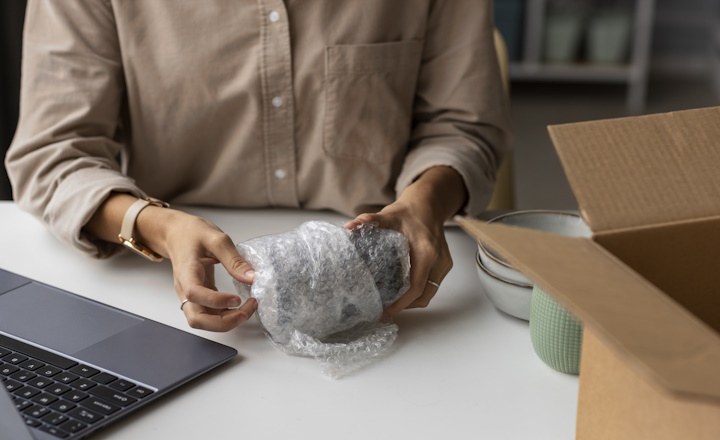
Protective packaging plays an important role in reducing damage during storage, handling and transport. A suitable bubble wrap roll can help cushion fragile products, fill gaps inside cartons and create a barrier between items that might scratch or knock against one another. For businesses sending orders regularly, selecting the right wrapping material is part of building a consistent packing process rather than a last-minute decision.
Paramount Packaging supplies packaging products for businesses that need practical solutions for day-to-day dispatch and storage. When comparing a bubble wrap roll, consider the size and weight of the goods, how they will be handled and the distance they may travel. Businesses reviewing eco friendly packaging should also consider how material choices balance product protection, waste reduction and local recycling options. The right choice can help teams pack with greater consistency, while using only the amount of material needed for the job.
Bubble wrap is commonly used for glassware, ceramics, electronics, decorative items and other products that may be damaged by impact or vibration. Larger bubbles can provide extra cushioning for some items, while smaller bubbles can be useful for wrapping compact products or protecting surfaces. The best option depends on the item’s fragility, shape and packaging requirements, so testing the material with representative products can be worthwhile.
Considering Eco Friendly Packaging
A well-organised packing station also affects how effectively protective materials are used. Keep rolls accessible, store them away from sharp edges and moisture, and train staff to wrap products securely without creating excessive bulk. Items should be immobilised inside the carton, with suitable void fill where needed. Bubble wrap can reduce direct contact and absorb some knocks, but it does not replace a correctly sized carton or careful handling.
Businesses increasingly consider eco friendly packaging alongside product protection and operating costs. The term can cover different approaches, including reducing excess material, choosing recyclable options where local facilities accept them, and selecting packaging that matches the size of the product. The most suitable choice depends on the product, transport conditions and the available recovery systems. Clear disposal instructions can help customers understand how to handle packaging after delivery. Reviewing eco friendly packaging options against verified disposal pathways helps keep purchasing decisions practical.
Protective wrapping and sustainability goals do not have to be treated as competing priorities. Start by reviewing the current packing process: identify where too much material is used, whether cartons are consistently oversized and whether products can be grouped more efficiently. A bubble wrap roll can be cut to the required length, helping staff avoid unnecessary offcuts when they plan each order. Reusable containers may also suit some internal movements or repeat deliveries.
Balancing Protection, Material Use and Disposal
For businesses wanting to adopt eco friendly packaging, it is important to assess claims carefully. Check the material composition, whether the product can be recycled in the intended location and any instructions supplied by the manufacturer. Packaging described as recyclable may not be accepted by every kerbside service, and compostable products generally require suitable processing conditions. Choosing materials based on verified information is more useful than relying on broad environmental labels alone.
Paramount Packaging can help businesses compare packaging options according to their products and workflows. Consider protection requirements, pack speed, storage space, purchase quantities and end-of-life handling together. Staff feedback and damage reports can show whether a change is working, while a small trial can reveal practical issues before a new material is introduced across all orders.
A reliable packing process combines suitable materials with consistent methods. Use enough cushioning to protect the product, select cartons that limit movement and review the condition of goods after delivery. Where sustainability is a priority, measure material use and check local recycling guidance rather than assuming one solution fits every shipment. By reviewing these factors together, businesses can make informed choices about protective wrapping and eco friendly packaging while keeping customer orders secure.
Making Practical Packaging Decisions
When choosing a bubble wrap roll, also consider roll width and storage requirements. A width suited to the products being packed can reduce the need for multiple overlapping strips, while a roll that is easy to dispense may help staff work more consistently. Keep a small range of sizes only where it reflects real differences in the goods you ship, and review usage periodically to identify avoidable waste.
For businesses assessing eco friendly packaging, a practical starting point is to set measurable goals, such as reducing packaging weight per order or improving the proportion of materials that customers can recycle locally. Compare the performance of alternative materials with the existing method before making a permanent change. Product safety should remain central, because damage and replacement shipments can also create extra material use and transport impacts.
| < Prev | Next > |
|---|