
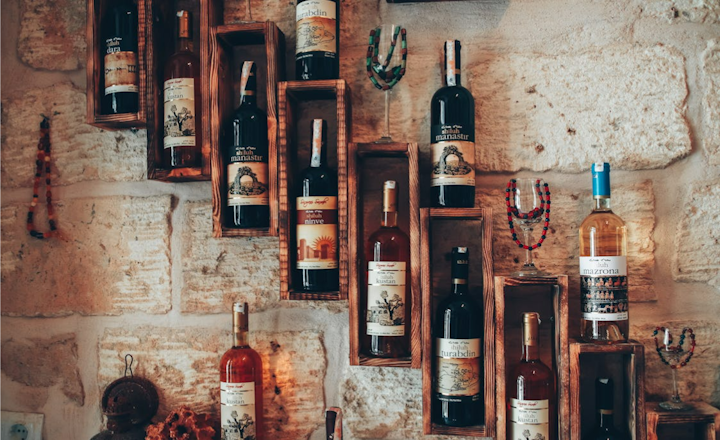
The term “climate-controlled” gets tossed around so casually these days that it sometimes loses its punch. A lot of places use it even when the setup barely does more than keep things vaguely cool. Every now and then, someone stores a few bottles in the back of a cupboard and reckons that’s “close enough.”
That sort of guesswork might fly for old recipe books, but wine deserves better. Proper climate control in wine storage Australia facilities guards flavour, aroma, and long-term balance. And yes, it’s one of those things that sounds more complicated than it really is once you break it down.
The Core Temperature Range: The Heart of True Wine Stability
Most people hear the ideal storage temperature (roughly 12 to 14°C) and assume the goal is to hit that number on the dot. But the key here is consistency. Wine reacts to temperature changes much more than people expect. Once it warms up too much, chemical reactions inside the bottle speed along and push the ageing process faster than intended.
Even small day-to-night swings can be a problem. A garage, for example, might feel cool in the morning and suddenly warm again by lunch, bouncing around like it’s all over the shop. Wine feels those swings more sharply than you might think. Keeping things steady is the whole point.
Humidity: The Often-Ignored Piece of the Puzzle
Humidity tends to fly under the radar, yet it’s one of the big players in proper wine protection. When conditions run too dry, corks can shrink ever so slightly, which opens the door for oxygen to slip into the bottle. Too much moisture, on the other hand, encourages mould and turns labels wavy long before their time.
Somewhere in the middle is where good facilities sit, striking a balance that keeps corks healthy while preventing excess dampness. You’d be surprised how many people assume humidity only matters in bathrooms, completely missing how it affects storage over the long haul.
What “Even Airflow” Actually Means
When airflow moves evenly through a storage room, the temperature stays consistent from corner to corner. Without it, little pockets of warmer or cooler air can settle in, creating tiny microclimates that slowly affect certain bottles more than others. Proper airflow isn’t forceful or loud. Rather, it drifts gently around the racks, keeping conditions balanced.
Insulation: Working Behind the Scenes
Insulation is the backbone of dependable climate control. Thick walls and quality seals aren’t there for show; they do the heavy lifting, especially during seasonal shifts. A good facility relies on insulation to support temperature stability, cut down energy strain, and keep warm air out. Here’s how it helps:
Minimises external heat transfer
Reduces the workload on cooling units
Prevents airflow leaks around doors and joints
Maintains stable temperatures during seasonal shifts
Light Exposure and Why Facilities Take It Seriously
Ultraviolet light can dull flavours and push wine to age too quickly, even before a bottle has had a fair chance to develop. Quality storage spaces avoid this by using low-level lighting and UV-resistant fittings, keeping the environment dim and calm. Wine rests best when it’s left unbothered and quiet, away from harsh glare.
Monitoring Systems: The Difference Between Guessing and Knowing
Relying on the old “it feels cool enough” test is the quickest way to lose good bottles. Professional facilities use monitoring systems that provide real-time data, removing all the guesswork. These systems track changes constantly and make sure everything stays on target. They usually include:
Continuous temperature and humidity readings
Alerts when something starts to drift out of range
Logged data that helps spot patterns before they become issues
Why Home Solutions Rarely Match Up
People often try spare fridges, old wooden cupboards, or a random cool corner of the house when looking for somewhere to store wine. The problem is that these spots rarely maintain consistency.
Temperatures shift, moisture builds up, and vibrations sneak in from nearby appliances. It’s not that these solutions are terrible; they’re just not made for long-term protection. A proper facility does the fine-tuning for you.
The Real Value of a Proper Climate-Controlled Facility
A well-managed facility protects the years of work that went into making the wines. It’s also a calm place for a collection to mature without surprises. The advantages are pretty clear:
Protects wine from irreversible flavour damage
Ensures bottles age gracefully rather than prematurely
Provides peace of mind for growing collections
Ultimately, choosing proper storage is about giving your wine collection the environment it needs to shine. Look into top wine storage facilities like Wine Ark, and see for yourself.