
Ask any small distiller what keeps them up at night and the answer is rarely the recipe. It is the maths. A tiny pot still can only produce so much, demand from bottle shops and bars tends to arrive all at once, and ageing stock ties up cash for months or years. Growth, for a craft brand, is a strange kind of problem: the thing that made people fall in love with you is the very thing that is hard to make more of.
A lot of producers are quietly solving this by separating the base spirit from the craft. Rather than distilling every litre of neutral spirit in-house, they source high-quality base from specialist suppliers such as Spirit Spring and pour their energy into the parts customers actually taste and remember: the botanicals, the finishing, the barrel program and the story on the label.
The myth that "craft" means doing everything yourself
There is a romantic idea that a genuine craft distillery mashes, ferments, distils, ages and bottles every drop on site. Some do, and good on them. But the wine industry has worked differently for generations. Plenty of respected winemakers buy fruit from growers they trust. Nobody thinks less of a great Shiraz because the grapes came from a neighbour's vineyard.
Spirits are heading the same way. Customers care about flavour, provenance and honesty. They are far less interested in whether the neutral base for a gin was run through your own column still or bought from a reputable producer down the road.
Where the character really lives
If you take a gin apart, most of what makes it distinctive happens after the base spirit is made. The choice of native botanicals, the balance between juniper and citrus, the cut points in redistillation and the water used to bring it down to bottling strength all shape the final glass.
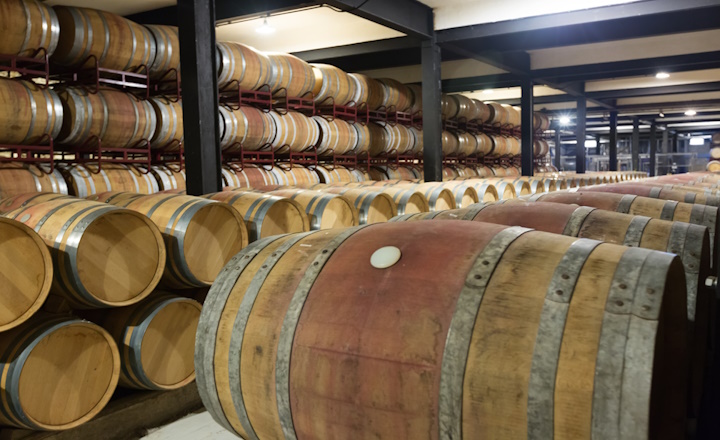
The same is true of aged products. Cask selection, the climate the barrels sit in and the patience of the person deciding when a spirit is ready do more for personality than the original wash ever could.
That is why scaling smartly often means protecting these steps and outsourcing the rest. A distiller who is no longer stuck babysitting a stripping run all day has more time to experiment with a new finishing cask or a seasonal release.
Growing pains worth planning for
Scaling is not just about volume. A few practical issues catch out growing brands again and again:
• Consistency. Retail buyers expect the third batch to taste like the first. Sourcing base spirit from a consistent supplier removes one of the biggest variables.
• Cash flow. Excise is paid on spirit leaving bond, and stock that sits for a long time is money you cannot spend elsewhere. Planning production around realistic sales forecasts matters more as you grow.
• Compliance. Labelling, excise reporting and licensing all get more involved as distribution widens, particularly once you cross state lines or start exporting.
• People. The founder cannot taste every batch forever. Writing down the sensory standards for each product is dull work, but it is what lets a team keep the flavour on track.
Telling the truth about your process
Transparency has become a selling point. Drinkers are curious, and many enjoy hearing how a product came together. If you source your base spirit, there is no need to hide it. Explaining that you buy premium neutral spirit and then redistil it with hand-picked botanicals is a perfectly good story. It is also a far safer one than vague claims that fall apart when someone asks a pointed question at a tasting.
Brands that have been caught out overstating their "grain to glass" credentials have learnt this the hard way. Honest storytelling builds the kind of loyalty that survives a price rise.
Keeping the cellar door feeling small
One of the joys of visiting a small distillery is the sense that you are meeting the people behind the bottle. That feeling is worth guarding as production grows. Some brands keep a tiny still on display for limited releases and tastings, while the core range is produced at larger scale. Others run a members' club with small-batch experiments that never make it to retail.
These touches cost relatively little and remind customers that the brand still has a heartbeat, even if the flagship product is now on shelves across the country.
Growth on your own terms
The Australian spirits scene has never been more crowded, and that is a good thing for drinkers. For producers, it means the winners will be the ones who grow without diluting what made them interesting in the first place. Knowing which parts of the process carry your identity, and being willing to lean on trusted partners for the rest, is how a small operation becomes a lasting brand rather than a flash in the pan.