
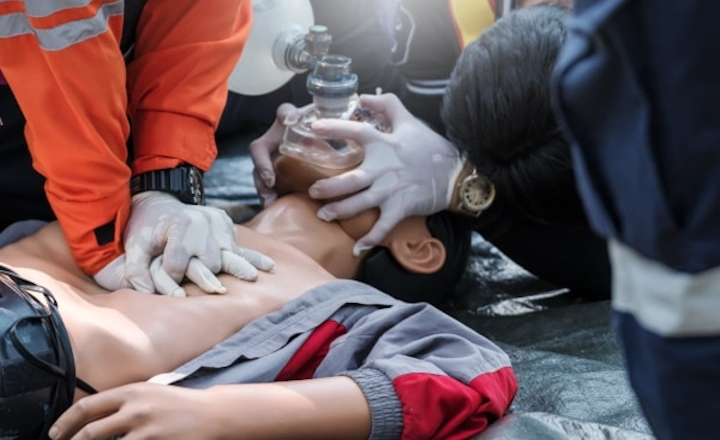
Emergencies rarely give warnings, and being able to act fast can be quite important when they do occur. While professional help may take minutes to arrive, those first moments often determine the outcome. This is why understanding basic first aid skills is essential for every household, workplace, and community member. Enrolling in national first aid courses Campbelltown equips people with the knowledge they need long before emergencies occur. However, even before formal training, there are fundamental first aid basics everyone should know.
Recognising An Emergency And Staying Calm
One of the most important skills is simply recognising when something is wrong. Whether someone collapses, is struggling to breathe, or suffers a sudden injury, identifying an emergency allows you to act quickly. Staying calm is the next crucial step. Panic often leads to mistakes, hesitation, or unsafe actions. A clear, steady mindset helps you assess the situation, protect yourself, and decide the best way to help the injured person.
People who search for a Campbelltown first aid course near me often want to build this confidence. Training reinforces how to remain composed, think clearly, and respond effectively in stressful situations.
Checking For Danger And Ensuring Safety
Before giving first aid, always check the scene for danger. It is important not to rush in, even if someone appears badly hurt. Hazards like traffic, electricity, fire, or unstable structures can put you at risk. The basic rule is simple: ensure the scene is safe for you, the victim, and anyone nearby. Only then should you proceed with first aid steps.
This habit of assessing danger is one of the first principles taught in certified programs, including national first aid courses, because safety always comes first.
Knowing How To Call For Help?
Calling emergency services quickly is often the most important action you can take. When speaking to the operator, remain calm and provide key details such as location, the nature of the emergency, and the condition of the injured person. Even simple information, like whether the person is breathing or conscious, helps responders prepare effectively.
If others are present, direct someone specifically—point to them and say, “You call for help”—to avoid confusion. Clear communication prevents delays and brings professional assistance faster.
Understanding Basic CPR Techniques
One of the most serious circumstances you could encounter is a cardiac emergency. Knowing the basics of CPR can significantly increase a person’s chance of survival. Although formal training is best, everyone should understand the concept of chest compressions, which keep blood flowing when the heart stops.
To learn correct techniques, many people enrol in a CPR course Campbelltown, where instructors guide them through proper hand placement, compression depth, and rhythm. Until then, knowing the importance of immediate CPR action can encourage you to seek help sooner and act confidently in real emergencies.
Handling Bleeding And Minor Injuries
Basic wound care is one of the most commonly used first aid skills. If someone is bleeding, applying firm pressure with a clean cloth helps slow or stop blood loss. Elevating the injured area, if possible, also aids in controlling the bleeding. For minor cuts, cleaning the wound with water and covering it with a bandage helps prevent infection.
These simple measures make a big difference and are easy to apply even without professional tools. More advanced techniques, however, are best learned through formal training.
Managing Burns Safely
Burns are common household injuries. The most important first step is cooling the burn with running water for at least 20 minutes. Avoid ice, butter, or home remedies, as they can worsen the injury. Covering the area with a clean cloth provides protection while waiting for medical care if needed.
Knowing how to handle burns correctly reduces long-term damage and pain.
Using The Recovery Position
If someone is unconscious but breathing, placing them in the recovery position prevents choking and helps maintain an open airway. This simple technique stabilises the person until professional help arrives. It is a fundamental skill included in all beginner first aid education.
Preparing Yourself Before An Emergency Occurs
Understanding these basics is a strong starting point, but completing national first aid courses offers deeper knowledge and practical experience. Learning through hands-on practice ensures you know exactly what to do when real emergencies happen.
By seeking out a Campbelltown first aid course near me and gaining proper certification, you become more capable, confident, and ready to protect others. A little preparation today can make a life-changing difference tomorrow.