
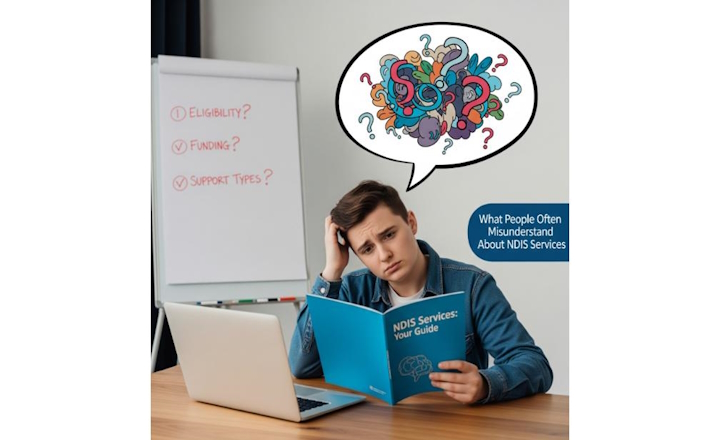
The phrase “NDIS Services” appears frequently in conversations about disability support, yet many participants and families are unsure what it truly covers. Some assume it refers only to in-home personal care. Others think it relates strictly to therapy appointments. In reality, the scope is much broader and designed to support different aspects of daily living, independence, and long-term development.
Understanding how ndis Services are structured can make navigating a plan far less overwhelming.
It’s More Than Just Daily Assistance
While help with personal care and household tasks is an important component, NDIS Services extend well beyond those areas. Support may include assistance with community participation, transport, skill development, social engagement, and capacity-building programs.
For example, a participant might receive support to attend local activities, build confidence in public settings, or develop practical life skills such as budgeting or communication. These services are intended to strengthen independence over time rather than create reliance.
Breaking Down Plan Categories
NDIS plans are generally divided into funding categories, and understanding these categories helps clarify what services fall where.
Core supports typically focus on everyday needs — assistance with personal activities, daily living, or accessing the community.
Capacity-building supports are designed to help participants develop skills that increase independence in the long term.
Capital supports may include equipment or assistive technology.
Knowing how ndis Services align with these categories allows participants to make more informed decisions about how funding is used.
Choice and Control in Practice
A core principle of the NDIS is choice and control. Participants are not assigned a single provider; instead, they have the flexibility to select services that match their preferences, goals, and comfort levels.
This flexibility means NDIS Services can look different from one participant to another. One person may prioritise skill development and employment preparation, while another may focus on daily living support and community access.
The key is ensuring the chosen services genuinely reflect personal goals rather than default selections.
Why Coordination Is Important
When participants engage multiple providers, communication becomes essential. Without coordination, there is a risk of duplicated services or gaps in support.
Well-managed ndis Services operate as part of a broader plan rather than separate activities. When providers understand a participant’s long-term objectives, they can align their approach to reinforce those goals.
Adjusting Services as Needs Change
Life circumstances rarely remain static. Health conditions may fluctuate. Family situations may shift. Goals may evolve over time.
NDIS Services should adapt accordingly. Plan reviews provide opportunities to reassess supports and ensure funding continues to match current needs. This flexibility is one of the strengths of the scheme.
Participants are encouraged to speak up if a service no longer feels effective or if priorities change.
Moving From Funding to Function
An approved NDIS plan represents potential — but potential only becomes meaningful when services are implemented thoughtfully. The difference between a plan that exists on paper and one that improves daily life lies in how supports are selected and coordinated.
For many families, understanding ndis Services more clearly reduces uncertainty. When participants know what categories include, what flexibility exists, and how supports can evolve, decision-making becomes more confident.
Supporting Independence Over Time
The broader aim of the NDIS is not just to provide assistance, but to build capability. Whether through structured skill development, community engagement, or targeted daily support, services are intended to strengthen independence wherever possible.
By viewing NDIS Services as part of a longer-term journey — rather than isolated appointments — participants can make choices that contribute to sustained progress.
When services align with personal goals and adapt as circumstances change, the plan becomes more than funding. It becomes a framework that supports participation, growth, and everyday stability.