

Most people pick a dentist the same way they pick a gas station. Whoever's nearby, whoever's in-network, whoever had an opening this month. It's a practical decision, but it's rarely a thoughtful one.
What most people don't realise is that this choice quietly shapes decades of health outcomes far beyond their teeth. Ageing well, catching disease early, and managing inflammation all trace back to one decision.
Read on to find out how the right dental care provider can genuinely change the course of your long-term health.
Continuity of Care
Think of your dentist as someone who reads your health like a slow-moving novel. The longer they've been your provider, the more context they carry. They know your baseline.
That matters more than people think. A new dentist sees a snapshot. Your longtime dentist sees a pattern. Subtle bone loss or soft tissue changes can raise serious flags for a familiar provider.
Patients who stick with one provider also follow through on treatment more consistently. They accept early interventions. They skip fewer appointments. Bouncing between dental providers means incomplete records and repeated diagnostic work. The bigger picture gets missed.
Some clinics structure their practice specifically around continuity. One leading Australian dental group, for example, assigns each patient a dedicated coordinator. Appointments, payments, and follow-ups all stay organised. Clinicians there also walk patients through treatment options thoroughly, so decisions never feel rushed or unclear.
Early Detection of Systemic Disease
A skilled dental care provider isn't just checking for cavities. At every visit, they're in a position to catch health signals that haven't shown up anywhere else yet.
These diseases are worth knowing about:
- Osteoporosis: Jawbone density loss shows up on routine X-rays, sometimes years before a patient gets diagnosed elsewhere.
- Oral cancer: Caught early, survival rates are significantly better. Thorough soft tissue exams at every visit, not just a glance at teeth, make a real clinical difference.
- Sleep apnea: Airway-trained dentists can spot worn teeth, scalloped tongues, and narrow arches, signs that primary care physicians routinely overlook.
Training only goes so far. Intent is what separates a thorough provider from a transactional one. Actively screening for these conditions makes for a fundamentally different level of care. Waiting for patients to bring up concerns doesn't cut it.
Gum Disease and Systemic Inflammation
Periodontitis doesn't stay in the mouth. Toxins from infected gum pockets reach the bloodstream. From there, they fuel inflammation linked to cardiovascular disease, Alzheimer's, and pregnancy complications.
Not every general dentist measures periodontal pocket depths at every hygiene visit. Some skip it to keep appointments short. That's a problem, because untreated gum disease advances quietly and the systemic consequences accumulate just as quietly.
Ask your provider directly: do they probe depths at each visit? Do they have access to a speciality dentist when it's needed? If the answer is vague, that's worth paying attention to.
Preventive Philosophy vs. Reactive Care
Two technically competent dentists can lead patients down very different health trajectories depending on how they approach care. One fixes problems. The other tries to prevent them from starting.
Preventive care addresses the conditions that cause decay before they progress. Each filling weakens tooth structure a little. Replacements follow. Then crowns. Then root canals. It's a cycle, and it's not inevitable. A dental care provider with a preventive-first mindset focuses on why decay is happening, not just what to do about it. They talk about remineralisation, dietary habits, and protective treatments before problems escalate.
Here's what to look for in a preventive-minded provider:
- They offer preventive treatments like sealants, custom night guards, and fluoride protocols proactively.
- They ask about your diet and stress levels.
Choosing a preventive-minded provider early shapes your oral health care trajectory for decades.
Psychological Safety and Avoiding Avoidance
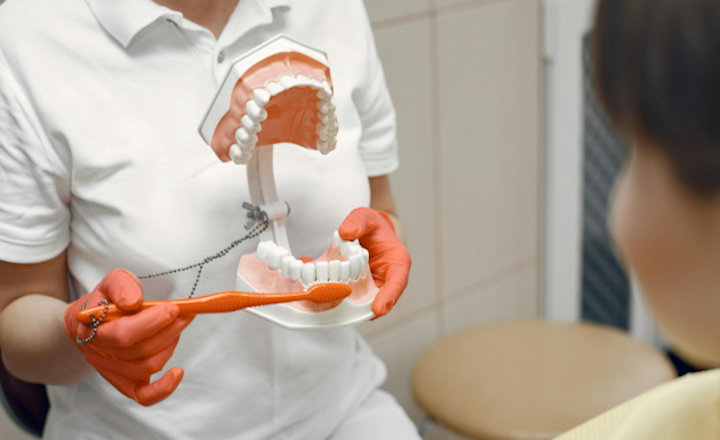
Dental anxiety is widespread, especially with children who need coaxing to brush their teeth. Its consequences are genuinely serious. People who've had painful or dismissive experiences with a previous dental care provider often avoid care for years. During that time, infections develop, gum disease progresses, and cancer screenings get skipped.
Communication style and pain management directly determine whether anxious patients keep coming back. Knowing your dental benefit coverage and sedation options upfront removes a barrier many anxious patients face.
The health cost of avoidance compounds quietly. Without regular dental services, a minor issue can escalate into a dental emergency fast. Feeling heard by a dental care provider matters more clinically than most people assume. Knowing that out-of-pocket costs are manageable and discussed openly also makes patients far more likely to return.
The Bottom Line
Choosing a dental care provider is a long-term health decision, not an administrative errand. Your choice of provider shapes whether diseases get caught early and whether you actually show up when it matters.
Evaluate your current provider against these factors: continuity, thoroughness, care philosophy, and how they treat you as a patient. Proximity and insurance coverage are practical considerations, but they shouldn't be the only ones driving the decision.