
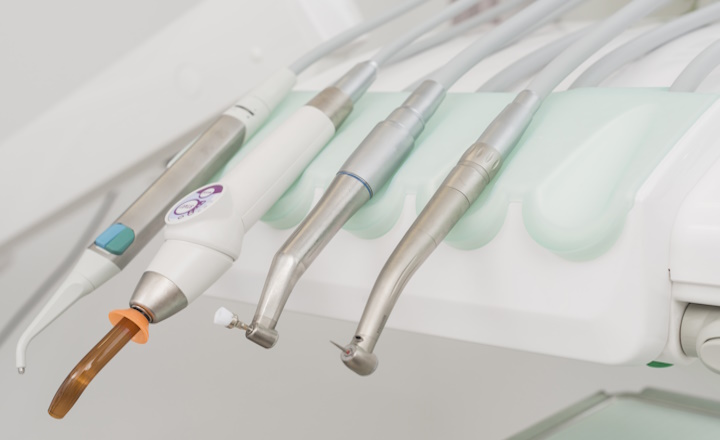
Every dental practice runs on the reliability of its handpieces. Whether a clinic is cutting enamel for a crown preparation or polishing a restoration, the choice of drive system behind that instrument shapes procedure time, patient comfort and the practice's ongoing running costs. For decades, air-driven turbines were the default. Electric systems have since become a mainstream alternative, and increasing numbers of practices are weighing up which system suits their case mix as they plan equipment purchases.
The decision is not purely clinical. Acquisition cost, maintenance overhead and the long-term economics of running a fleet of dental handpieces all factor into the choice, particularly for multi-chair practices or corporate dental groups standardising equipment across several sites. Understanding how the two systems differ mechanically is the starting point for making that call with confidence.
How Air-Driven and Electric Handpieces Work
An air-driven handpiece spins a small turbine using compressed air. The turbine can reach very high free-running speeds, often quoted upwards of 300,000 to 400,000 RPM, but that figure describes the head spinning freely rather than cutting. Once the bur meets resistance from tooth structure, an air turbine loses rotational force quickly, which is why clinicians sometimes feel a turbine bog down mid-cut.
An electric handpiece is driven by a micromotor connected through a gear train. Because the rotational force comes from an electric motor rather than air pressure, the handpiece maintains a far more consistent speed as the bur engages tooth structure. Electric systems typically run at lower maximum RPM than air turbines, but sustain that speed under load, which is the more clinically relevant measure of cutting performance.
Torque and Cutting Performance
Torque, not top speed, is the main clinical differentiator. Because electric handpieces hold their speed as resistance increases, many clinicians report smoother, more controlled cutting during crown and bridge preparation, and cleaner removal of old restorative material. Reduced stalling can also translate into shorter procedure times for demanding restorative work.
Air-driven turbines remain highly capable for routine cutting and are the more familiar tool for most clinicians, having been the industry standard for decades. For general, lower-complexity restorative work, the torque advantage of an electric system is less likely to be noticeable.
Concentricity and Cutting Precision
Beyond torque, electric handpieces typically run with less bur runout than air turbines, meaning the bur rotates more truly around its axis. In practical terms, that tends to translate into smoother cutting and cleaner margins, which matters most in fine restorative and prosthodontic work where precision at the preparation margin affects the fit of the final restoration. For less precision-dependent procedures, the difference is generally less noticeable chairside.
Heat generation during cutting is another factor some practices weigh up. Because electric handpieces sustain torque more consistently, they can cut with less friction-related heat build-up at a given feed rate compared with a turbine losing speed under load. Adequate water spray cooling remains essential for either system regardless of drive type.
Weight, Noise and Clinician Comfort
Air turbines are lighter, since they don't carry a motor and gear train, which some clinicians find reduces hand fatigue over a long clinical day. Electric handpieces are heavier and shift the balance point, meaning there is typically a short adjustment period for clinicians switching from air-driven systems.
Noise is another point of difference. Air turbines produce the higher-pitched whine most patients associate with the dental chair. Electric systems run more quietly, which some practices find improves the patient experience, particularly for anxious patients.
Acquisition Cost vs Long-Term Value
Air-driven handpieces are generally less expensive to purchase, both per unit and because they don't require a separate motor system. This makes them an accessible option for practices building out multiple operatories or replacing several units at once.
Electric systems carry a higher upfront cost, but a single electric motor can often accept different contra-angles for high-speed cutting, low-speed excavation, polishing and endodontic work. For practices consolidating several functions onto fewer handpiece systems, that flexibility can offset some of the higher initial outlay over the life of the equipment.
Maintenance Considerations for Both Systems
Both systems require disciplined maintenance regardless of drive type. Lubrication, correct autoclave cycles and prompt attention to early warning signs — reduced speed, vibration, or unusual noise — all extend service life. Air turbines are mechanically simpler, and a worn turbine cartridge is often a more straightforward repair than an electric gear train. Electric systems, with more moving components, may involve a higher-value repair when something does go wrong, though well-maintained units can run reliably for years.
Whichever system a practice runs, the recurring costs — lubricant, sterilisation supplies, and periodic professional servicing — apply regardless of drive type, and are worth factoring into any total cost of ownership comparison rather than looking at the purchase price alone.
Matching the System to Your Case Mix
The right choice generally comes down to what a practice cuts most often. A restorative or prosthodontic-focused practice that regularly manages complex crown and bridge work may see a clearer benefit from electric handpieces' consistent torque and finer control. A high-volume general practice, or one managing tighter equipment budgets across multiple chairs, may find air-driven turbines the more practical choice — and many practices run a mixed fleet, using electric handpieces for demanding restorative cases while keeping air turbines available elsewhere.
Making the Decision
Neither system is universally superior; each suits a different balance of clinical priorities, budget and case mix. Practices weighing up an upgrade or a new equipment purchase are generally better served by assessing their own procedure mix, existing fleet, and maintenance capacity than by treating one drive type as the automatic default. For many clinics, the most cost-effective outcome comes from matching the system to the work it will actually perform, rather than standardising on a single type across every operatory.
It's also worth reviewing the decision periodically rather than treating it as fixed. As a practice's case mix shifts — taking on more restorative or prosthodontic work, or adding a second or third chair — the balance between electric and air-driven systems that made sense at the last equipment purchase may no longer be the best fit. Revisiting the fleet mix alongside routine servicing intervals is a practical way to keep the decision aligned with how the practice actually operates.