
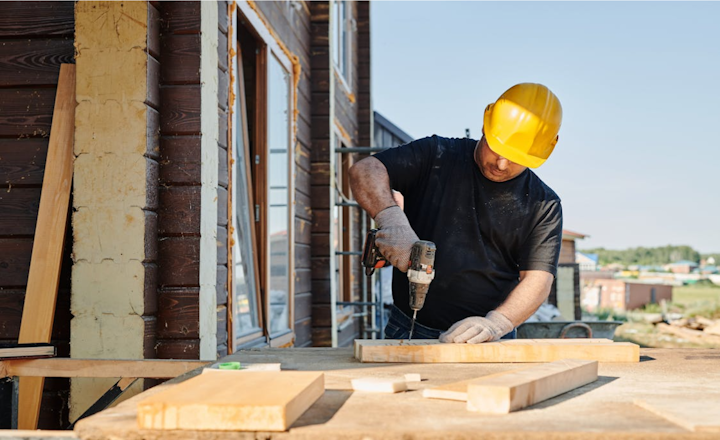
Building your first home is a major milestone, and the builder you choose will significantly influence the entire experience. Many buyers feel excited about floor plans and finishes but overlook the most important step, which is background checking the home builder.
This is where people often run into problems. Hidden complaints, unfinished work, poor craftsmanship, or builders who disappear when issues arise can turn what should be a rewarding project into a stressful one. The good news is that a little research at the start can prevent months of frustration and avoid costly repairs.
In this guide, you will learn what to look for, what to avoid, and how to confidently protect your investment from day one.
Understanding the Basics of Home Builder Selection
When you are planning your first home, choosing the right builder becomes one of the most important decisions you will make. A strong home builder selection process involves more than choosing the first company that appears online. It requires taking the time to understand who you are trusting with your future home.
A thoughtful selection process usually involves comparing several builders, reviewing their previous projects, asking about timelines, and confirming they hold the required licences and insurance. These steps give you a clearer picture of how they operate.
You also want to look closely at the qualities that separate reputable builders from unreliable ones. Strong builders communicate clearly, are transparent with pricing, maintain consistent craftsmanship, and willingly answer your questions without rushing through details. Builders who are confident in their work will also be comfortable showing you completed homes and connecting you with past clients.
Putting effort into this early research may feel tedious, but it protects your budget and reduces the chance of unexpected problems later.
To strengthen your assessment even further, consider preparing a brief checklist that compares each builder on factors such as experience, warranty information, construction methods, and customer service. This gives you a clearer side-by-side picture and helps you avoid decisions based solely on price or marketing claims.
Why Background Checks Matter
Hiring a builder without researching their history is risky. A builder’s previous work can reveal a great deal about their reliability and workmanship. When you perform a background check, you are looking for signs that show whether they build homes properly or take shortcuts that affect long-term quality.
Skipping this step can lead to delays, structural defects, water intrusion, mould, electrical faults, plumbing issues, and hidden repair costs. These problems do not just affect your budget. They can reduce your home’s value, create safety risks, and cause ongoing stress.
By checking their history early, you protect yourself from these risks. You can confirm their credentials, assess their workmanship, evaluate past projects, and review client feedback. This is how you protect your investment. You gain confidence by understanding exactly who you are trusting to build your home.
You can also request information about any disputes or warranty claims filed against the builder. This additional step often reveals issues that are not mentioned in marketing materials or testimonials and helps you identify builders who resolve problems responsibly.
Licensing, Certifications & Credentials to Verify
Before signing any contract, it is crucial to check your builder’s credentials. A valid licence, up-to-date certifications, and current insurance show that the builder meets local requirements, has appropriate training, and is legally authorised to construct homes in your area.
If a builder does not hold a licence or insurance, this is a major warning sign. Without these protections, there are no guarantees about quality, permits may be invalid, and you could be held responsible if an accident occurs on site. Proper credentials safeguard your legal rights, the safety of your home, and your peace of mind.
Licensed builders usually follow building codes, carry insurance, and provide avenues for resolving defects or disputes. Confirming licences and credentials only takes a few minutes, yet it prevents significant problems later.
For added certainty, verify the licence number with your state authority rather than relying solely on what the builder provides. This ensures the information is current and alerts you to any restrictions or disciplinary actions.
Reviewing Track Record & Past Projects
When choosing a builder, taking an in-depth look at their past work can save you from unnecessary issues. Ask to see a portfolio of completed homes, and focus on real projects rather than just promotional images. Ideally, look at homes similar in design and budget to your own.
If possible, visit a few completed homes or active worksites. This gives you firsthand insight into craftsmanship, finishing quality, and how well the builder maintains cleanliness and safety during construction.
Do not hesitate to contact past clients. Ask clear questions such as: “Was your home finished on time?”, “How well did the builder communicate throughout the project?”, and “Would you hire them again?” Honest feedback from previous clients often provides more clarity than any brochure or sales presentation.
You may also request to see homes that are several years old. This helps you understand how the builder’s work holds up over time, which is one of the strongest indicators of long-term quality.
Understanding Reputation Through Reviews & Testimonials
Online reviews and testimonials can reveal a great deal about a builder. They often provide more realistic insights than polished marketing photos. Feedback from previous clients shows how well the builder handled issues, whether deadlines were met, and how professional the team was throughout the process.
When reading reviews, look for consistent patterns. Strong communication, quality finishes, and reliable service are good signs. In contrast, repeated complaints about delays, hidden charges, or poor cleanup indicate problems you should take seriously.
However, not all reviews are reliable. Be cautious of overly positive comments that appear immediately after project completion or reviews that use vague language with no specific details. Prioritise reviews that include clear explanations, photos, or information about the project itself.
Consider using multiple review platforms rather than relying on a single source. Different websites attract different types of reviewers, and comparing these profiles often gives you a more balanced and accurate understanding of the builder’s reputation.
Choose Your Builder With Confidence
Your builder will shape your entire home building experience, so choosing carefully is essential. A small investment of time now will save you stress, money, and uncertainty later. Trust the process, review every detail, and move forward only with a builder who demonstrates reliability and transparency. Your future home deserves thoughtful, informed decisions from the very beginning.
| < Prev | Next > |
|---|