
As increased flooding risk and backflow events threaten Queensland, Brisbane residents are being urged to invest in quality backflow prevention devices, designed to prevent water backflow and subsequent contamination.
The right approach can save property and business owners from stress, contamination damage, and public health issues.
What is Backflow Prevention?
Backflow prevention is designed to prevent water from flowing backwards and entering the main supply in the event of a sudden pressure change, which may occur as a result of a water mains burst or a flooding event.
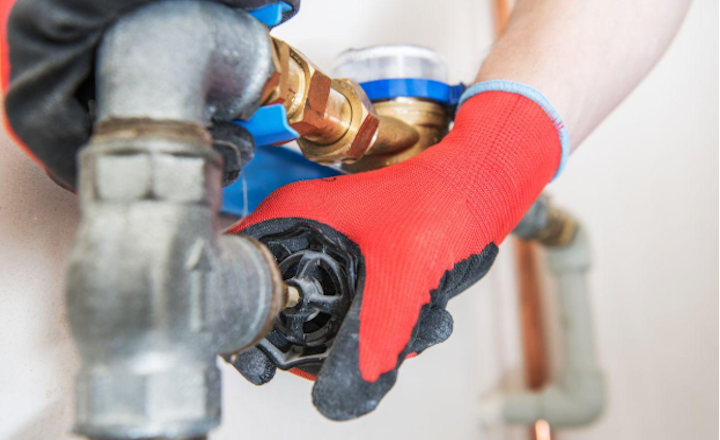
By closing off backwards flow using one-way valves, a backflow preventer device, also known as a non-return or reflux valve, can stop contaminated water from reaching the drinking supply.
This is important for public health and safety, and for preventing property damage and water supply disruptions. Preventing backflow ensures that water only flows forward and stops pollution from mixing.
Backflow Prevention is Increasingly Important
In Australia, many communities are facing increased flood risks, and this is only set to continue in the coming years. This is especially true for Brisbane, where 2025 saw over 10,000 homes added to the flood risk map for the first time.
Flooding and heavy rainfall can put extra pressure on water systems, including sewage and stormwater drainage. This is especially true in low-lying areas close to creeks and rivers. These regions are often at high risk of floods and long-term water contamination and quality issues.
Backflow prevention is essential for managing excess water with the lowest possible risk of damage or water contamination. This ensures that the public maintains reliable access to clean, safe drinking water, rain, hail, or shine.
Experts Recommend Backflow Testing
It’s not enough simply to install a backflow prevention valve. It’s also important to stay up to date with testing and reporting requirements, as recommended by backflow prevention Brisbane experts.
Backflow testing involves a visual inspection, followed by isolation of the device and use of a test kit to open and close valves, measuring water pressure changes and the valve’s response.
In many circumstances, backflow prevention is a legal requirement, applicable to commercial and industrial activities, along with home-based rainwater tanks, pools and spas, fire hydrants and hoses, and more. In these scenarios, backflow testing and reporting are typically required on an annual basis.
These checks must be carried out by a fully licensed and accredited plumber, such as Salmon Plumbing, top plumbers in Brisbane.| < Prev | Next > |
|---|