
Owning a home comes with ongoing responsibilities, and keeping up with maintenance is one of the best ways to protect your property and avoid expensive repairs. While it can be tempting to only address issues when they arise, preventative maintenance helps identify potential problems before they become major headaches.
By staying proactive, homeowners can improve the safety, functionality, and value of their property while reducing the likelihood of unexpected repair bills. Here are seven preventative maintenance tasks that should be part of every homeowner's routine.
Essential Property Maintenance Tasks Every Homeowner Should Complete
Inspect Your Roof Regularly
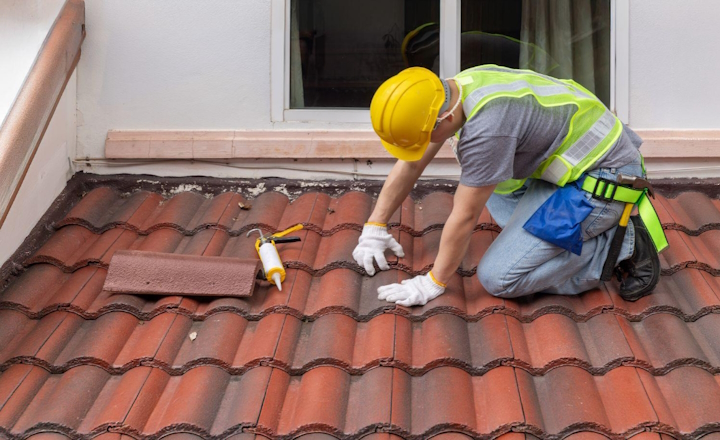
Your roof is one of the most important parts of your home, yet it is often overlooked until a leak appears. Regular inspections can help identify damaged tiles, loose flashing, blocked drainage points, and signs of water penetration before serious damage occurs.
Even small roofing issues can lead to costly structural repairs if left unattended. Scheduling regular professional roofing inspections can help detect problems early and ensure your roof continues protecting your property from the elements.
It's particularly important to inspect your roof after severe weather events, including heavy rain, strong winds, or hailstorms.
Keep Gutters and Downpipes Clear
Blocked gutters can cause water to overflow and damage roofing materials, fascia boards, walls, and foundations. Leaves, dirt, and debris can accumulate throughout the year, particularly during autumn and after storms.
Cleaning gutters regularly helps ensure rainwater is directed away from the property as intended. Homeowners should also check downpipes for blockages and ensure drainage systems are functioning properly.
A simple gutter inspection a few times each year can prevent expensive water damage repairs.
Check for Pest Activity
Pests often establish themselves before homeowners notice any obvious signs. Termites, rodents, ants, cockroaches, and other pests can cause property damage and create health concerns if left untreated.
Look for signs such as droppings, nesting materials, damaged timber, unusual smells, or increased pest activity around the property. Early intervention is typically easier and less expensive than dealing with a large infestation.
Regular inspections can help identify vulnerable areas and prevent problems from escalating.
Service Heating and Cooling Systems
Air conditioning and heating systems work hard throughout the year and require regular maintenance to perform efficiently.
Dirty filters, worn components, and neglected servicing can reduce performance, increase energy consumption, and shorten the lifespan of the system.
Scheduling routine maintenance helps ensure your heating and cooling systems operate reliably when you need them most while also improving indoor air quality.
Maintain Doors, Windows and Locks
Doors and windows play an important role in both security and energy efficiency. Damaged seals, worn locks, and sticking frames can reduce comfort and create security concerns.
Check all doors and windows regularly to ensure they open, close, and lock correctly. Replace damaged weather seals where necessary and address any maintenance issues before they worsen.
Keeping these components in good condition can improve home security while helping reduce heating and cooling costs.
Schedule Professional Pest Treatments When Needed
Certain situations require more than a simple inspection. For example, rental properties approaching a change of tenancy often require professional treatment to ensure the property is handed over in good condition.
Many tenants and property managers arrange specialised end of lease pest control services to address pest concerns before final inspections take place. Professional treatments can help eliminate existing pest issues while providing peace of mind for both landlords and tenants.
Addressing pest concerns before they become larger infestations is always the most cost-effective approach.
Test Safety Systems Throughout the Home
Smoke alarms, security systems, outdoor lighting, and other safety devices should be tested regularly to ensure they function properly.
Replace batteries where required, test alarm systems according to manufacturer recommendations, and inspect external lighting to ensure all areas remain adequately illuminated.
These simple checks can help protect your family while ensuring your home remains safe and compliant with relevant regulations.
Small Maintenance Tasks Today Can Prevent Big Repairs Tomorrow
Preventative maintenance is one of the smartest investments homeowners can make. While it may seem easier to delay inspections and servicing, small issues often become far more expensive when left unresolved.
By regularly inspecting your roof, managing pest risks, maintaining essential systems, and addressing minor problems early, you can help protect your property's value and avoid unnecessary repair costs. A proactive approach to maintenance not only keeps your home in better condition but also provides greater peace of mind throughout the year.
| < Prev | Next > |
|---|