
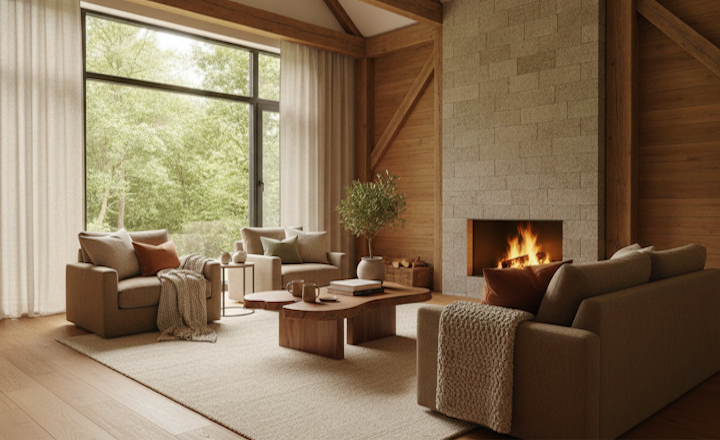
Some homes look polished but never quite feel comfortable. Everything might be new, coordinated and carefully chosen, yet the space still feels a little flat, as though it’s missing the layers that make people want to settle in. That’s often where natural materials make such a difference. They bring texture, variation and warmth into a room in a way that overly synthetic finishes can struggle to match.
Flooring plays a big role in that feeling because it covers so much visual and physical space. When homeowners start exploring options like timber flooring in Australia, they’re often thinking about appearance first, but the real appeal goes deeper than colour or grain. Timber has a way of softening a room, adding character and making a home feel more connected to its surroundings.
Natural Texture Changes the Mood of a Room
A room with smooth white walls, sleek cabinetry and modern furniture can look beautiful, but without texture it may feel cold. Natural materials help break that up. Timber, stone, linen, wool, clay, leather and rattan all bring slight imperfections and variation, which gives the eye something to rest on.
That doesn’t mean a home needs to look rustic. Natural finishes can work just as well in a contemporary apartment as they do in a country house or coastal renovation. The key is balance. A timber floor under clean-lined furniture, for example, can stop a modern room from feeling too stark, while still keeping the overall look fresh and uncluttered.
It’s also why two homes with similar layouts can feel completely different depending on the materials used. A natural surface catches light differently throughout the day, ages in a more interesting way and often makes a space feel more lived-in, even when the design is quite simple.
Warmth Isn’t Only About Colour
People often think of warmth as a colour choice, but it’s also about touch, sound and atmosphere. Timber can make a room feel quieter underfoot, less echoey and more welcoming. A stone benchtop, a woven rug or a linen curtain can do something similar in their own way, adding depth without needing lots of decoration.
This is especially useful in open-plan homes, where large spaces can sometimes feel a bit exposed. Natural materials help create zones and soften transitions between kitchen, dining and living areas. They give the home a stronger sense of rhythm, which makes it feel less like one big empty box and more like a series of comfortable places to spend time.
Choose Materials That Suit Daily Life
Of course, beauty still has to meet practicality. A family home with pets, children and constant foot traffic will need different finishes from a quiet apartment or a weekend retreat. Some natural materials need regular care, while others are more forgiving, so it’s worth being honest about how much maintenance you’re prepared to do.
The best choices are the ones that suit both the design and the people living with it. A material shouldn’t only look good on installation day; it should continue to make sense after years of real use.
A Home Feels Better When It Has Texture
Natural materials don’t need to dominate a home to make an impact. Sometimes it’s the floor, a dining table, a bench, a wall finish or a few carefully chosen textiles that change the whole atmosphere.
When those elements are chosen thoughtfully, they add more than style. They make rooms feel warmer, more grounded and more personal, which is usually what people are really hoping for when they set out to create a home they love.
| < Prev | Next > |
|---|