
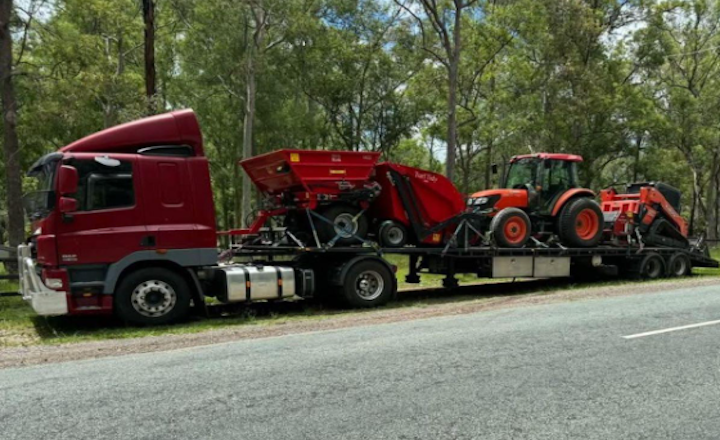
A spade is a spade, unless it needs to do more than dig a hole. Similarly, interstate car transport companies transport cars interstate, unless you are a farmer and need odd- shaped or oversized machinery transported somewhere other than between capital cities.
Farmers cannot just call any interstate car transport company and get a combine harvester moved from Brisbane to Sydney. Odd-shaped machinery transport requires the capacity and expertise to safely and effectively load and deliver from the paddock to the machinery shed in the same condition as at the initial pickup. Not every company out there can provide this necessary and nationally critical service.
Several key factors make this service critical not only for farmers but also for consumers. Food isn't grown in the city; farming is done in paddocks and fields in the country, often in remote areas. Access to remote and regional areas is a non-negotiable requirement so that delivery can occur throughout the nation, not just specified drop-off and pick-up stations in major cities.
Most transport companies will deliver and then load up other goods for the return trip, or the next leg of the route. This keeps costs down for everyone. Referred to as backloading, it keeps transport costs economical and realistic. As a niche transport category, the ability to transport more than just cars and machinery is a core feature that keeps the service economically available to farmers and maintains their viability during a cost-of-living and supply chain crisis. Backloading can include feed supplies and machinery of all shapes and sizes. Being able to receive delivery of a tractor, then backload, keeps costs to a minimum for everyone, from the farmer to the grocery shopper.
"It's not just the availability of trucks, specialist skills for loading goods outside the usual is the key issue for the transport industry", said Robin at All Vehicle Freight, a specialist company for loads and vehicles of odd shapes and sizes.
Companies with specialist skills offering backloads at discounted rates are the rescue all farmers need amid a fuel and cost-of-living crisis. An empty truck heading home is not only expensive and a waste of resources for the transport company, but it can also add extra dollars to the family grocery bill. Unexpected rescuers wear high vis and drive trucks.