
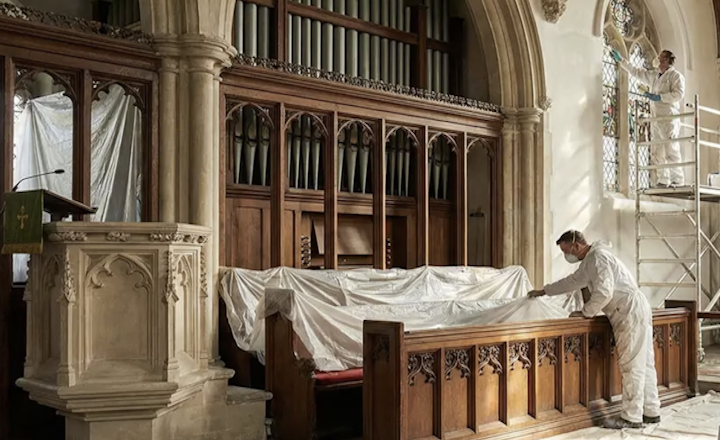
Heritage buildings aren't just old buildings – they’re physical records of Australia's architectural, cultural and community history. From sandstone civic buildings to timber homesteads, and iconic churches - these places have got stories to tell that modern construction just can’t replicate.
One of the most misunderstood, yet super important, aspects of heritage preservation is heritage building painting - especially when its comes to historic churches. Unlike your standard painting job, heritage painting is a specialist field that requires technical know-how, patience and a deep respect for the original building fabric.
So what’s the story with heritage building painting, and why's it so important for churches?
What Is Heritage Building Painting?
Heritage building painting is the careful restoration, protection and repainting of buildings that are heritage-listed or historically significant - using methods and materials that are exactly what the original builders would have used.
Its not just about making the building look like new - unlike modern repainting jobs, the goal is to:
- Preserve the original materials wherever possible
- Protect those ageing surfaces from further wear and tear
- Respect the historical colour schemes and finishes
- Meet all the heritage conservation guidelines and get the approvals
In many cases, painters have to work around super fragile substrates like lime plaster, old-growth timber, lead-based paints or decorative metalwork that can’t be treated with all the high-impact methods we have today.
Why Churches are a Special Case in Heritage Painting
Churches are some of the most complex heritage painting projects in Australia. Many of them were built in the late 1800s or early 1900s and feature some of the most amazing craftsmanship that you just dont see anymore.
Common heritage features in church painting contractors job include:
- High vaulted or timber-lined ceilings
- Decorative plasterwork and pressed metal panels
- Hand-painted details and all those historic colour layers
- Stained glass windows with delicate frames
- And all that stone, brick or rendered masonry
Painting these buildings isn’t just about looks – it’s about keeping them structurally sound and conserving them for the long haul.
Access and Scale Challenges
Church interiors often involve some pretty extreme heights and limited access. Painting a vaulted ceiling or clerestory wall may need:
- Custom scaffold systems
- Elevated work platforms
- Rope access or abseiling methods
- And every access method needs to be carefully assessed to avoid any damage to floors, pews, altars and heritage fixtures.
Traditional Materials Require Traditional Knowledge
One of the biggest risks with heritage painting is using all the wrong modern products that just dont mix with the original materials.
For example:
- Modern acrylic paints can trap moisture in lime-rendered walls
- Aggressive sanding can permanently damage old timber
- High-pressure cleaning can erode soft masonry
All of which is why heritage painting typically involves:
- Gentle surface prep methods
- Breathable paint systems
- Low-impact cleaning and stabilisation
- Careful testing before you even start applying the paint
And this is especially important in churches, where you’ve got moisture movement, candle soot, and all sorts of temperature fluctuations.
Heritage Colour Matching and Historical Accuracy
Colour selection in heritage churches isnt just a matter of picking whatever looks nice - in many cases, colours need to be:
- Matched to original paint layers that you've discovered during the investigation
- Approved by heritage consultants or councils
- Chosen to reflect the era and architectural style
And even a slight change in tone or sheen can dramatically alter the character of a sacred space. That's why heritage painters often do paint scrapes, sample testing and historical research before finalising a colour scheme.
Safety Considerations in Church Heritage Painting
Many older churches are still got all sorts of hazardous materials like lead-based paints, fragile plaster, or ageing structural elements. A proper heritage painting project needs to account for:
- Lead paint containment and safe removal
- Dust control in occupied or active worship spaces
- And protection for congregations, clergy and visitors
- And you need to be compliant with all the Work Health and Safety and environmental regulations.
So, it’s not just a job, it’s a regulated and highly responsible trade.
Why Specialist Experience Matters
Heritage painting isnt just a matter of slapping on a coat of paint - its a delicate balancing act between conservation, construction and craftsmanship.
A qualified heritage painting team needs to know:
- How to stabilise rather than replace
- When not to paint until you’ve completed all the necessary repairs
- How to document all the work you’ve done for future conservation.
- And how to work with all the heritage architects and consultants.
In Sydney, companies like Painters Link are often called on to do heritage and church projects because they’ve got the experience working within all the conservation guidelines and managing all the complex access and safety requirements in historic buildings.
Long-Term Value of Heritage Painting
When done properly, heritage painting is more than just a visual upgrade - its a long-term investment in the building itself.
- It can extend the life of original materials by decades
- Prevent costly structural repairs
- Maintain heritage listing compliance
- Protect the cultural and community value of churches
- And for many congregations, a heritage painting project is about stewardship - passing the building on in better condition than they got it.
Final Thoughts
Heritage Building Painting - Restoring History with Care & Craftsmanship
Heritage building painters - the sort you'll commonly see in churches - is a field that commands a deep respect for heritage, an eye for detail and top-notch technical skills. These old buildings aren’t just places people go to pray – they’re a testament to the craftsmanship of the past, to the faith that built them and to the communities that came before us.
By preserving these structures through good, careful painting work, we make sure future generations can continue to bask in their beauty, in their significance and in the history they hold - just as the people who built them intended.