
Community and elite sport across Australia are asking more of their playing surfaces than ever before, and sports field maintenance teams are rising to meet that challenge in genuinely innovative ways. As councils and sporting clubs look to get more use out of every venue, hybrid turf systems are emerging as one of the most exciting developments in how modern sports grounds are built and maintained.
It's a positive shift that's helping venues handle more play, recover faster, and deliver a better experience for everyone using them.
What Makes Hybrid Turf Different
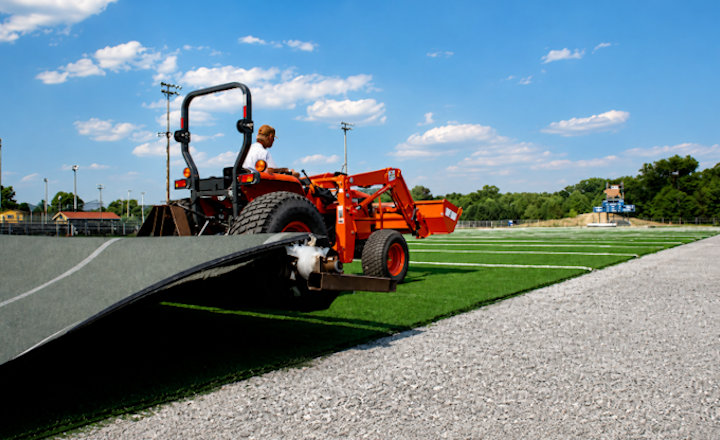
Hybrid turf systems combine natural grass with synthetic reinforcement, typically woven or stitched fibres integrated directly into the root zone, giving a surface that looks and plays like natural grass while offering significantly greater durability. Rather than choosing between the traditional feel of natural turf and the resilience of a fully synthetic surface, hybrid systems bring the best qualities of both together.
For venues hosting everything from weekend community matches to professional competition, this combination solves a genuine problem: how to keep a surface performing consistently well under far more use than a purely natural field could typically sustain.
Why Multi-Purpose Grounds Benefit Most
Multi-purpose sports grounds carry a heavier burden than most people realise. A single ground might host junior football on weekends, senior competition midweek, community events on top of that, and still need to look and perform well for every single user. A few of the advantages hybrid systems bring to this kind of demanding schedule include:
Faster recovery between uses, since the reinforced root zone reduces the wear and compaction that heavy, repeated use causes on purely natural turf
Greater consistency in playing surface quality across an entire season, rather than a field that degrades noticeably as the months go on
Reduced need for costly full resurfacing, extending the practical lifespan of a ground considerably compared to natural turf alone
Better performance in wet conditions, with improved drainage and reduced surface breakup during heavy rain periods
A more natural playing experience for athletes compared to fully synthetic surfaces, supporting player comfort and reducing certain injury risks associated with harder synthetic systems
Together, these benefits make hybrid systems particularly well suited to grounds that simply can't afford extended downtime for recovery between uses.
Smarter Maintenance Behind the Scenes
Modern sports ground construction increasingly incorporates smart irrigation systems and improved drainage design alongside hybrid turf itself, creating a genuinely integrated approach to field performance. Sensors and automated irrigation systems can now respond directly to soil moisture levels, reducing water waste while ensuring turf gets exactly what it needs to recover and perform well.
This shift toward data-informed maintenance means sports field maintenance teams can be considerably more proactive, addressing early signs of wear or drainage issues before they become visible problems on match day, rather than reacting to a deteriorating surface after the damage is already done.
Building for the Long Term
Investing in hybrid turf and smart maintenance systems does require a greater upfront commitment compared to a standard natural grass field. But for venues used heavily throughout the year, that investment tends to pay for itself many times over, through reduced resurfacing costs, less downtime, and a consistently higher quality surface for everyone who plays on it.
This is particularly valuable for councils and sporting bodies managing multiple grounds across a region, where getting more reliable and durable use out of each individual venue can make a meaningful difference to overall maintenance budgets and community access to quality facilities.
A Better Experience for Everyone Involved
Ultimately, the shift toward hybrid systems and smarter sports ground construction is about improving the experience for the people actually using these facilities, players enjoying a consistent, safe surface regardless of how heavily a ground gets used, and communities getting genuine, reliable value out of their local sporting infrastructure.
As more venues make this transition, the standard for what a well-maintained, heavily used sports ground can achieve keeps rising, a genuinely positive development for community and elite sport alike across the country.
Looking Ahead
Hybrid turf technology is still evolving, and as it matures further, it looks set to become the standard approach for any venue expecting serious, sustained use. For councils, clubs, and facility managers thinking about their next sports ground project, it represents a genuinely exciting opportunity to build something that performs beautifully for years to come, rather than requiring constant, costly upkeep just to stay playable.