


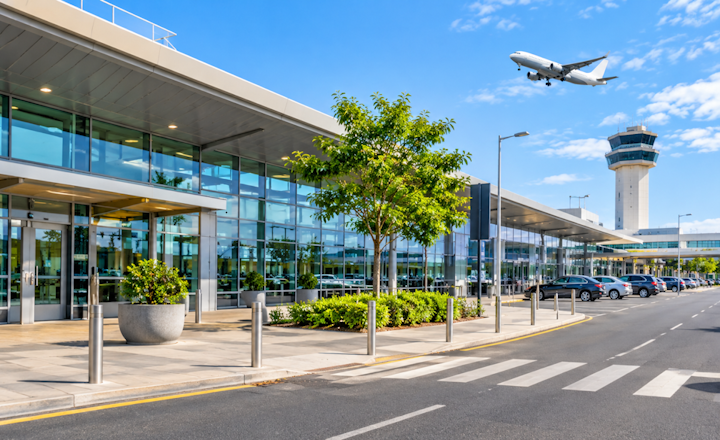
For decades, Sydney has had one major airport, squeezed between the suburbs, Botany Bay and a curfew that shuts it down overnight. That's finally changing. Western Sydney International Airport at Badgerys Creek is reshaping how people and goods move around the city, and its effects are rippling out well beyond the runway fence.
For local business owners, the airport isn't just a place to catch a flight. It's a catalyst for new customers, new jobs, new infrastructure and new competition. Anyone with a stake in the region, from tradies and retailers to logistics firms and investors, is watching closely, and the Western Sydney industrial property market has become one of the clearest signals of how much the area is expected to grow.
A new front door to Sydney
Until now, the economic centre of gravity in Sydney has sat firmly in the east. Head offices, tourism and international connections have clustered around the CBD and Mascot. A second airport in the west shifts some of that weight.
Travellers flying into Western Sydney will be closer to the Blue Mountains, the Hawkesbury, the Southern Highlands and the fast-growing suburbs of the west and south-west. That creates fresh demand for accommodation, hospitality, car hire, tourism experiences and everyday services. A café in Penrith or a motel in Camden suddenly has a new pool of potential customers passing through.
The airport's ability to operate around the clock matters too. Without a curfew, it can handle late-night freight and early-morning flights that aren't possible at Mascot. That's especially attractive to businesses that rely on fast, time-sensitive deliveries.
Freight, logistics and industrial demand
Some of the biggest changes are happening in industrial areas. Air freight, e-commerce and logistics businesses want to be close to the airport, major motorways and the people they deliver to. Warehouses, distribution centres and cold storage facilities have been springing up across the surrounding precincts.
For businesses that need industrial space, that's a mixed blessing. On one hand, there's more modern stock being built, with higher ceilings, better truck access and features like solar and EV charging. On the other, competition for well-located sites can be fierce, and rents in sought-after precincts have reflected that demand.
Smaller businesses aren't locked out, though. Manufacturers, trades businesses, food producers and service providers can benefit from being part of a growing industrial ecosystem, with suppliers, customers and skilled workers nearby. Older industrial estates in established suburbs may offer better value for businesses that don't need the latest specifications.
Jobs, skills and a growing workforce
An airport of this scale needs a huge workforce, both on site and in the businesses that serve it. Aviation, hospitality, security, retail, cleaning, maintenance and logistics roles are all part of the picture. Construction of the airport and the surrounding infrastructure has already created plenty of work.
For local businesses, a larger workforce means more potential customers living and working nearby. It can also mean more competition for staff. Employers in the region may need to think harder about pay, flexibility, training and career pathways to attract and keep good people.
Education providers have been responding with training programs aimed at aviation, advanced manufacturing and logistics, which could help build a stronger pipeline of skilled workers over time.
Infrastructure that opens up the region
The airport doesn't exist in isolation. New and upgraded roads, including the M12 motorway, and a metro rail line linking the airport to St Marys are designed to connect it to the rest of Sydney. Better transport links make it easier for customers to reach local businesses and for businesses to reach their markets.
Infrastructure also tends to lift interest in surrounding land. Areas that once felt remote can become attractive locations for offices, retail centres, housing and industrial development once roads and rail arrive. Business owners thinking about buying or leasing property in the region are wise to keep a close eye on infrastructure timelines.
How businesses can prepare
The opportunities are real, but they won't land evenly. Businesses that plan ahead are more likely to benefit.
Start by thinking about how the airport might change your customers and competitors. Will there be more visitors, more workers or more freight passing through your area? Could you offer services to the airport, airlines or the businesses setting up nearby?
Review your premises. If you're likely to need more space, better access or a more strategic location, it may be worth exploring options before demand climbs further. Talk to commercial property specialists who understand the region and can explain the trade-offs between leasing and buying.
Finally, build connections. Local chambers of commerce, industry associations and regional business networks are good places to hear about upcoming projects, tenders and partnerships.
Western Sydney International Airport is one of the biggest changes to the city's economic map in generations. For local businesses willing to adapt, it could be the start of a very busy chapter.
| Next > |
|---|