
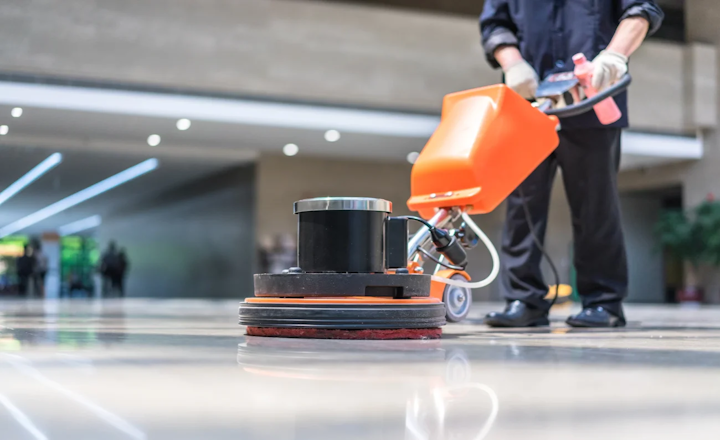
A pristine retail store makes a great first impression on customers. Consumers love unblemished, organised retail environments because they enhance comfort and product appeal, build trust, minimise distractions, and reflect positively on the brand. Immaculate shops also comply with stringent Australian health and safety protocols, ensuring a worry-free customer experience.
Unfortunately, labour shortages, increasing wages, and workflow demands compromise in-house janitorial services and retail store cleanliness.
Fortunately, automated commercial cleaning can be a game-changer for many Australian businesses. Robotic cleaning systems have made a tremendous impact on the local commercial sector, performing various sanitation tasks at the push of a button.
If you’re a retail manager exploring ways to integrate innovative cleaning technology into your business, we’ve got you covered.
This blog will explore how future innovations in automation can excite business owners about ongoing improvements, fostering optimism and confidence in the evolution of the commercial cleaning industry.
How Automation is Transforming Commercial Cleaning
Automation has been a game-changer for the Australian retail industry. Inventory scanning and electronic price tags have transformed commercial operations in recent years. Gone are the days when manual labour scrubbed, mopped, and polished local retail store floorings. Nowadays, cutting-edge technology has taken over this task.
Robotics, artificial intelligence, and smart sensors make modern automated floor scrubbers and sweepers both functional and budget-friendly, ensuring efficiency and a high return on investment. These innovations complement Gold Coast commercial cleaners by handling repetitive, laborious tasks and helping managers significantly reduce operational costs.
For this reason, automated commercial cleaning maintains high standards and minimises operational costs, allowing business owners and managers to take charge of their retail environments.
How Automated Cleaning Robots Operate in Big Retail Stores
Cleaning large commercial spaces can be challenging and time-consuming. However, automated cleaning robots are up to the daunting task. These innovative machines meet the various demands of retail settings, including expansive floor areas, heavy foot traffic, and regular exposure to dust, debris, and liquid spills.
This section will explore how automated cleaning robots operate in large retail spaces, providing you with valuable insights to make an informed buying decision.
Efficient Cleaning Modes
Modern robotic cleaners can perform multiple cleaning tasks, taking the load off in-house janitorial staff’s shoulders and ensuring a pristine retail environment year-round.
Manufacturers equip automated cleaning robots with features that enable them to sweep, vacuum, scrub, and polish shopping-area floors. Users can adjust their desired cleaning intensity for high-traffic areas, ensuring unblemished surroundings and a hassle-free shopping experience.
Directional Tracking and Mapping Systems
Automated cleaning robots use cutting-edge LIDAR sensors and mapping systems to create interactive retail store floor plans, allowing them to clean commercial settings without impeding customers, displays, and employees.
Independent Operation
Robotic cleaners can operate autonomously during store hours or after hours. Whether you prefer day or overnight automated cleaning, these machines drastically reduce the need for manual supervision, allowing in-house staff to focus on other essential tasks. Many versions return to their charging docks automatically or alert manufacturers when they require further maintenance, easing the burden of laborious, time-consuming oversight.
Insights and Analytics
Some automated cleaning robots provide real-time insights and analytics, including area coverage, time consumed, and maintenance alerts, enabling managers and business owners to monitor efficiency and optimise cleaning schedules effectively.
These innovations allow robotic cleaners to adapt to evolving commercial cleaning requirements, including floor space size and conditions, making them ideal for body corporate cleaning and strata cleaning.
Energy Efficiency
Robot cleaners address only important floor areas, avoiding wasted movements and ensuring energy efficiency. To achieve these objectives, business owners and managers can program them to operate only during off-peak hours or when the store is empty.
Automated cleaning robots vacuum, scrub, and polish in a single motion, eliminating the need for repeated cleaning cycles. Manufacturers also equip them with smart battery usage, ensuring the robots clean only when necessary to prevent excessive energy consumption.
Quiet Operation
Robot cleaners operate quietly and efficiently, ensuring minimal disruptions to customers and employees. Smart sensors allow them to operate around people and displays, enhancing the customer experience.
Types of Commercial Cleaning Robots
Automated commercial cleaning ensures an unblemished retail environment year-round. Understanding the various types of robot cleaners can empower business owners to choose solutions that best suit their needs, boosting confidence in their investment
- Robotic floor scrubbers: These robots clean hard, expansive floor surfaces, scrubbing, vacuuming, and drying in a single motion. Robotic floor scrubbers are ideal for managers seeking an effective cleaning solution in large retail settings. Whether thoroughly cleaning store aisles, lobbies, open-floor sales areas, checkout zones, showrooms, or atriums, robotic floor scrubbers provide a high return on investment.
- Robotic sweepers: These machines collect dust, dirt, and small debris in high-traffic store areas, specifically entryways, parking areas, and open-plan storage areas. Robotic sweepers can constantly clean retail spaces during operating hours or overnight, ensuring a pristine, appealing shopping environment.
- Multi-function cleaning robots: Also known as hybrid cleaning robots, these machines combine the features of robotic scrubbers and sweepers. For this reason, they offer flexibility and versatility to businesses with diverse, challenging, and evolving cleaning requirements. Whether you require cleaning for hard surfaces, heavy-traffic areas, or transitional flooring, multi-function cleaning robots exceed your expectations.
- UV-C disinfection robots: These robotic cleaners have become popular in stores prioritising public health and sanitation. They use UV light to disinfect floors and surfaces, eliminating bacteria, allergens, and contaminants that potentially trigger health issues. Although UV-C disinfection robots aren’t the primary option in commercial spaces within Australia, they complement other automated cleaning interventions, ensuring a safe, healthy, and hygienic experience for customers and staff.
Key Advantages of Robotic Commercial Cleaners
While in-house janitorial staff can meticulously clean your commercial space, robot cleaners offer unique advantages, including the following:
- Workforce efficiency: Labour shortages can seriously hinder operational efficiency. Fortunately, automated robot cleaners relieve janitorial staff of the burden of repetitive floor cleaning tasks, allowing them to prioritise urgent bathroom and high-touchpoint sanitation, HVAC system cleaning, and other essential obligations.
- Dependability and reliability: Unlike their human counterparts, robot cleaners don’t get sick, experience fatigue, cut corners, or do haphazard, sloppy work. Regardless of your unique objectives, robot cleaners perform consistently, ensuring unblemished floors and an enjoyable customer experience.
- Cost-effectiveness: Although upfront costs can be steep, automated cleaning robots significantly minimise long-term labour costs, extend the lifespan and durability of flooring, and reduce liability risks from in-store accidents, providing business owners, managers, staff, and customers with long-term peace of mind.
- Enhanced customer satisfaction: Robot cleaners ensure bright, sparkling, and spotless commercial flooring, create a valuable first impression, foster a welcoming environment, and enhance customers’ shopping experience.
- Environmentally friendly: Since robot cleaners use water and eco-friendly cleaning solutions more efficiently than conventional techniques, they reduce waste and leave a minimal environmental footprint.
Conclusion
Robotic cleaners mark a significant transition and paradigm shift in the Australian commercial cleaning industry. Evolving technologies will create more innovative automated cleaning systems, including AI-driven robots that create cleaning schedules based on foot traffic patterns, cutting-edge reporting tools integrated with store management systems, and sustainable versions that leave a positive environmental impact.
Despite this inevitable shift toward robotic cleaners, in-house janitorial staff members still have valuable roles. For this reason, business owners and managers must empower teams, streamline operations, and constantly improve customer service. Automated cleaning systems are firmly entrenched in commercial settings, resulting in cleaner stores, greater efficiency, and a unique shopping experience.
| < Prev | Next > |
|---|