
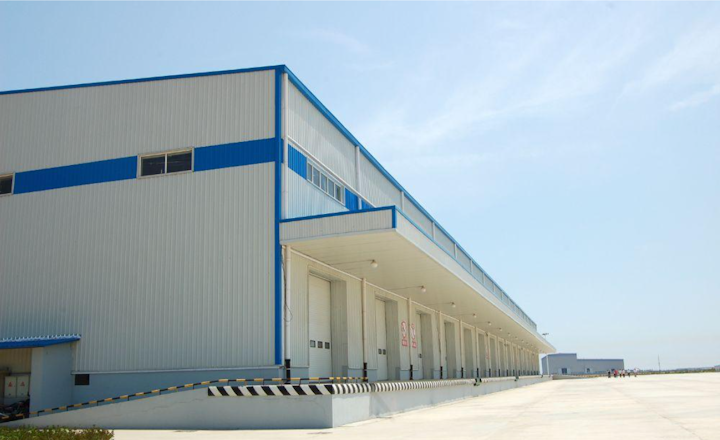
Australia’s industrial sector is expanding rapidly. With increased trade volume, urban freight demands and rising property values across key hubs like Sydney, Brisbane, Melbourne and beyond, one thing is clear: securing the entry points to these facilities is more critical than ever.
Whether it is a logistics depot near a major port or a warehouse in a growing outer suburb, access control is no longer just a box to tick. It is a key part of modern infrastructure planning that protects assets, prevents delays and supports 24-hour operations.
Why Industrial Access Control Is Now a Priority
In the past, many industrial sites relied on manual gates, swipe cards or basic intercom systems. But as operations scale and the value of stored goods rises, those outdated systems are becoming a liability.
Key issues include:
Unauthorised entry from tailgating or broken locks
Delays from slow gate mechanisms during shift changes
No audit trail for who entered and when
Increased risk of theft or vandalism
Whether you manage a high-volume logistics park or a smaller regional depot, efficient and secure access is now seen as essential — not optional.
Automated Gates: A National Shift in Standards
Across the country, businesses are investing in smart access systems. Companies like Auto Gate Guys Brisbane and Auto Gate Guys Melbourne are leading the charge in their respective states, helping industrial operators move away from reactive repairs and toward proactive security.
These automated solutions can include:
Boom gates with license plate recognition for hands-free entry
Sliding or swing gates that operate on secure scheduling systems
Keyless staff entry and integrated CCTV coverage
Remote management of gate operations from anywhere
The goal is clear: reduce downtime, improve security and streamline vehicle movement, especially at peak traffic times.
Protecting the Supply Chain from the Outside In
Modern access control is about more than getting trucks in and out. It is about protecting the entire flow of goods from external threats. A forced gate or an unmonitored entry point can quickly become a point of loss or liability.
Smart access systems help:
Create real-time logs for staff and vehicle movement
Deter opportunistic theft by making entry difficult
Improve insurance compliance and reduce premiums
Eliminate the need for constant on-site supervision
As the value of on-site inventory climbs and delivery cycles tighten, many warehouses are realising that access control is not just a facility feature — it is a core business risk.
One Industry, Many Needs
While the basic goal of access control is the same, different businesses require different systems. A cold storage facility might need rapid-action gates to protect internal temperatures, while a construction supply depot may prioritise wide entryways for oversized loads.
The benefit of working with specialists like Auto Gate Guys is that they assess the site, traffic type and operational schedule before recommending a tailored solution. It ensures that the access system fits the business, rather than forcing the business to adapt to outdated tech.
Final Thoughts: Industrial Security Starts at the Gate
From Melbourne’s legacy warehousing suburbs to Brisbane’s growing freight corridors, Australian industry is shifting. And as physical operations grow, so does the need for stronger perimeter control.
Automated gates and boom systems are no longer seen as expensive upgrades — they are essential infrastructure. With the right system in place, businesses can reduce theft, speed up workflows and protect the assets that keep their operations moving.
Because every warehouse, freight terminal and depot shares one thing in common: if the gate fails, everything behind it is at risk.
| < Prev | Next > |
|---|