
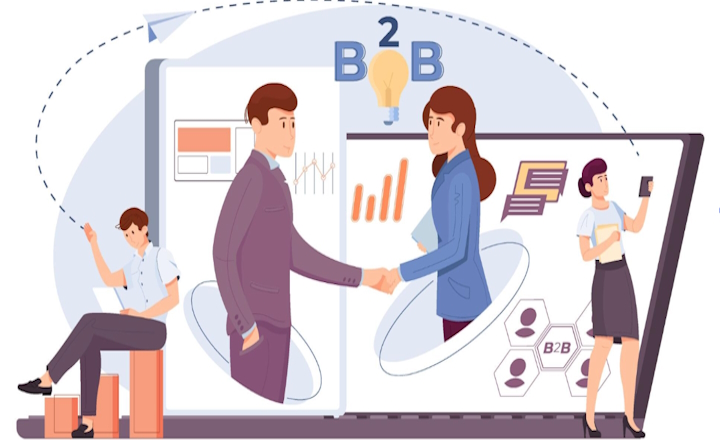
Business-to-business lead generation plays a central role in how organisations expand their client base and maintain steady growth. In competitive markets, companies must move beyond basic outreach and adopt structured methods that attract interest, build trust, and guide prospects towards long-term partnerships. Businesses can enhance their lead generation strategies and boost overall campaign performance with the specialised expertise of the team at Garner Collective. A well-developed lead generation approach allows businesses to identify suitable prospects, communicate value with clarity, and sustain engagement across longer buying cycles. Working with experienced providers such as Garner Collective can strengthen these efforts through structured planning and refined execution.
Understanding B2B Lead Generation
B2B lead generation refers to the process of identifying organisations that may benefit from a product or service and encouraging them to express interest. The process differs from business-to-consumer activity, where individuals often make quicker decisions. In B2B settings, purchases often involve multiple stakeholders, internal reviews, and budget approvals.
This extended process calls for thoughtful communication that speaks to varied concerns, such as cost, performance, and long-term value. Rather than focusing on volume alone, the aim is to attract prospects with genuine intent and a clear alignment with the offering. This approach leads to stronger relationships and a more stable revenue flow over time.
Core Elements of a Strong Lead Generation Strategy
A clear understanding of the intended audience forms the foundation of any effective strategy. This includes identifying industries, company sizes, and the roles of individuals involved in purchasing decisions. When businesses develop detailed profiles of their ideal clients, communication becomes more precise and relevant.
Content plays a significant part in building credibility. Informative materials such as case studies, reports, and articles help demonstrate knowledge and practical experience. These resources address common concerns, offer solutions, and show how a product or service performs in real situations. As trust develops, prospects become more open to further interaction.
Email communication continues to be widely used within B2B environments. When structured carefully, it allows businesses to maintain contact with prospects in a personalised way. Segmentation helps tailor messages to specific groups, which improves engagement and keeps communication relevant. A consistent tone and clear messaging strengthen recognition and trust over time.
The Role of Technology in Lead Generation
Digital tools have reshaped how organisations manage and develop leads. Customer Relationship Management systems provide a central place to track interactions, monitor progress, and organise prospect data. With clear visibility across the sales process, teams can respond in a timely and informed manner.
Automation tools help manage repetitive tasks such as follow-up emails and campaign scheduling. This reduces manual workload and supports consistent communication across multiple channels. At the same time, it allows teams to focus on more strategic work, including refining messaging and strengthening client relationships.
Artificial intelligence is gaining wider use in analysing patterns within customer behaviour. By studying past interactions, these systems can highlight prospects who are more likely to engage or convert. This allows businesses to focus their efforts where they are most likely to produce results, improving efficiency across the entire process.
Common Challenges in B2B Lead Generation
B2B lead generation often involves extended decision timelines. Organisations may require internal approvals, detailed comparisons, and risk assessments before moving forward. This can slow progress and requires businesses to maintain consistent engagement without overwhelming the prospect.
Competition presents another challenge. Many companies aim to reach the same audience, making it harder to stand out. Clear positioning and a strong value proposition help address this issue. Businesses that communicate their strengths with clarity are more likely to capture attention and retain interest.
Data protection requirements also shape how organisations manage lead generation. Regulations govern how personal and business data is collected, stored, and used. Companies must handle information responsibly, balancing personalised communication with respect for privacy. This builds confidence and supports long-term relationships.
Measuring Performance and Progress
Evaluating lead generation performance helps businesses understand what is working and where adjustments are needed. Conversion rate remains a key indicator, showing how many prospects move from initial interest to confirmed clients. A higher rate often reflects strong alignment between messaging and audience needs.
Cost per lead provides insight into how efficiently resources are being used. Monitoring this figure helps businesses refine campaigns and allocate budgets more effectively. A balanced approach supports both quality and cost control.
The length of the sales cycle offers another useful perspective. Shorter cycles often reflect clear communication and strong alignment with client expectations. Longer cycles may indicate areas where additional support or clarification is needed.
Engagement metrics, such as email response rates or content interactions, highlight how prospects respond to communication efforts. These insights guide adjustments in tone, format, and delivery, helping businesses maintain relevance.
The Value of Analytics and Feedback
Ongoing analysis supports continuous improvement. By reviewing data across different stages of the sales process, organisations gain a clearer understanding of how prospects behave and what influences their decisions. This insight supports more accurate planning and refined execution.
Feedback from clients and prospects adds another layer of understanding. Positive outcomes reveal which aspects of the approach resonate most strongly. Missed opportunities can point to gaps in communication or alignment. When used effectively, this information strengthens future campaigns and improves overall performance.
Innovation in Lead Generation Practices
Adapting to new methods allows businesses to reach prospects in more engaging ways. Social platforms, once linked mainly with consumer marketing, now provide direct access to decision-makers within organisations. Thoughtful use of these channels can build visibility and encourage meaningful interaction.
Interactive formats are gaining interest across many industries. Online events, surveys, and digital tools invite participation and create opportunities for deeper engagement. These formats provide insight into client preferences and encourage two-way communication.
Partnerships between organisations can expand reach and introduce services to new audiences. When companies align with others offering related services, they can present combined solutions that appeal to a broader group of clients. This approach supports mutual growth and strengthens market presence.
Conclusion
Effective B2B lead generation relies on a structured approach that combines clear audience understanding, consistent communication, and thoughtful use of technology. Businesses that focus on building trust and delivering relevant information are better placed to attract and retain suitable clients. Regular evaluation, supported by data and feedback, allows ongoing refinement and stronger results over time. With careful planning and a willingness to adapt, organisations can strengthen their lead generation efforts and support long-term business growth.
| < Prev | Next > |
|---|