
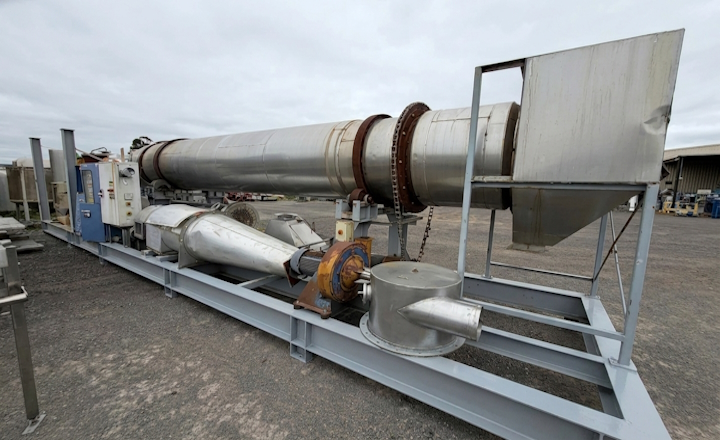
Moisture control is a critical factor in many industrial processes, which is why industrial drying equipment plays a vital role in ensuring operational efficiency and product consistency. Across industries such as manufacturing, food processing, pharmaceuticals, and chemical production, the presence of moisture can lead to contamination, equipment damage, and reduced product quality. Effective drying solutions help eliminate these risks by maintaining controlled environmental conditions.
Industrial drying systems are designed to remove moisture from air, materials, or processes, depending on the application. By regulating humidity levels and ensuring dryness, these systems support smooth operations and help maintain strict quality standards. Understanding their importance highlights why they are an integral part of modern industrial setups.
Understanding The Role Of Drying In Industrial Processes
In industrial environments, moisture can interfere with both production processes and final product quality. For example, in compressed air systems, moisture can lead to corrosion, equipment malfunction, and contamination of end products. In manufacturing processes, excess moisture can affect material properties, leading to defects or inconsistencies.
Industrial drying equipment addresses these challenges by removing moisture efficiently. Whether through air dryers, desiccant systems, or other drying technologies, these solutions ensure that processes operate under controlled conditions. This contributes to consistent performance and reduces the likelihood of operational disruptions.
Types Of Industrial Drying Equipment And Their Functions
There are several types of industrial drying equipment, each designed for specific applications. Refrigerated air dryers are commonly used to remove moisture from compressed air by cooling it and condensing the water content. Desiccant dryers, on the other hand, use absorbent materials to remove moisture, making them suitable for applications requiring very low humidity levels.
Other drying systems include heat-based dryers, vacuum dryers, and spray dryers, each tailored to particular industrial needs. Selecting the right type of equipment ensures that moisture is effectively managed without compromising efficiency.
Applications Across Different Industries
Industrial drying equipment is used across a wide range of sectors. In manufacturing, it helps maintain the quality of products by ensuring that materials are processed in controlled conditions. In food processing, drying systems are used to preserve products and maintain hygiene standards.
Pharmaceutical industries rely on drying equipment to ensure that products meet strict quality and safety requirements. In chemical processing, moisture control is essential for maintaining reaction stability and product consistency. The versatility of industrial drying equipment makes it indispensable across these industries.
Enhancing Product Quality And Consistency
One of the primary benefits of industrial drying equipment is its ability to improve product quality. By removing moisture, these systems prevent contamination and ensure that products meet required standards. This is particularly important in industries where precision and consistency are critical.
Consistent drying also ensures that products have uniform characteristics, reducing the likelihood of defects. This contributes to higher customer satisfaction and improved reliability.
Improving Equipment Longevity And Performance
Moisture can have a damaging effect on industrial equipment, leading to corrosion and wear over time. By removing moisture from systems, industrial drying equipment helps protect machinery and extend its lifespan.
This reduction in wear and tear leads to fewer breakdowns and lower maintenance costs. Reliable equipment performance supports continuous operations and improves overall efficiency.
Energy Efficiency And Cost Management
Modern industrial drying systems are designed to be energy-efficient, helping businesses reduce operational costs. By optimising the drying process, these systems minimise energy consumption while maintaining performance.
Efficient moisture control also reduces waste and improves process efficiency, contributing to cost savings. This makes industrial drying equipment a valuable investment for long-term operations.
Design And Selection Considerations
Selecting the right industrial drying equipment involves evaluating factors such as humidity levels, airflow requirements, and application-specific needs. Proper design ensures that the system can handle operational demands effectively.
Material compatibility and system capacity are also important considerations. Choosing equipment that aligns with the specific requirements of the process ensures optimal performance and reliability.
Maintenance And Operational Efficiency
Regular maintenance is essential for ensuring the efficiency of industrial drying equipment. This includes cleaning components, checking for wear, and ensuring that systems operate within specified parameters.
Preventive maintenance helps identify potential issues early, reducing the risk of downtime. Proper care ensures that the equipment continues to perform effectively over time.
Safety And Compliance In Industrial Drying
Safety is a critical aspect of industrial drying operations. Ensuring that equipment is installed and maintained correctly helps minimise risks associated with high temperatures and pressure systems.
Compliance with industry standards is also important, particularly in sectors such as food and pharmaceuticals. Properly maintained drying systems help ensure that operations meet regulatory requirements.
Conclusion
Industrial drying equipment is essential for maintaining efficiency, product quality, and equipment reliability in modern industrial environments. By effectively controlling moisture levels, these systems support consistent operations and reduce the risk of contamination and damage. With proper selection, maintenance, and integration, industrial drying equipment provides long-term value and contributes to efficient and reliable production processes.
| < Prev | Next > |
|---|