
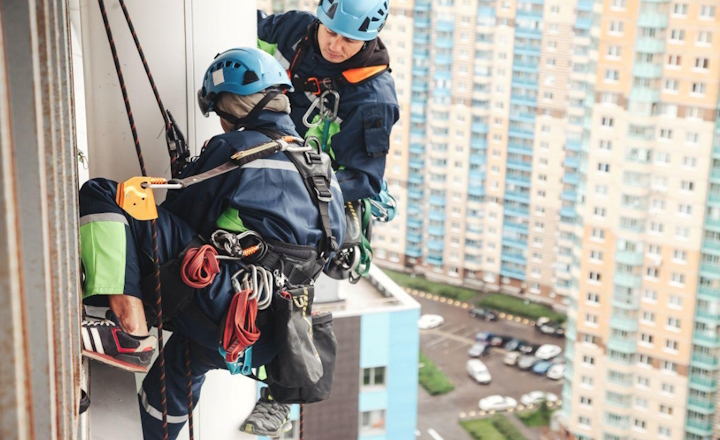
Southeast Queensland’s rain season generally runs from October to April, peaking in February. But in May 2026, the wind and rain were relentless throughout the entire month, even continuing into June. This unseasonal weather has caused additional risks and delays in building maintenance work. Though it might just seem like some prolonged rain, there is a flow-on effect of problems that can leave businesses and high-rise owners with empty pockets.
Unseasonal weather in supposed dry season
According to the Bureau of Meteorology, Brisbane’s total rainfall in May was 212mm, 306% above the long-term average. The Gold Coast smashed its record for the most rain in a 24-hour period in May after 23 years, with hinterland areas recording almost 200mm. Winds were also above average in southeast Queensland.
High-rise buildings at higher risk than low-rise
As a high-rise increases in height, it becomes more susceptible to wind effects. Wind speeds generally increase with height as there is less friction from surrounding structures, leaving high-rise facades exposed to increased wear and tear over time. Rain too can take its toll. Water hits tall buildings horizontally as it gets pushed by the wind. Even with waterproofing systems, water still may find a way in with intensified pressure from prolonged rain.
On the flip side, high-rise buildings also experience more heat exposure in the sunny months. Constant expansion and warping of building materials between hot days and rain can cause more cracking and damage.
Buildings left vulnerable amid weather events
In these periods of prolonged rain, even a little bit of water seeping in can cause damage that will lead to very expensive remediation work if left untreated.
Moisture in concrete pores can lead to chipping and cracks, which can progress into spalling. Should spalling progress, the cycle of damage continues deeper into the concrete and can compromise the steel reinforcement. The steel begins to corrode and rust, indicating concrete cancer, which can lead to serious structural damage and weakening.
Particularly in areas like the Sunshine Coast and Gold Coast, harsher and more abrasive winds from the ocean saltwater put excessive pressure on facade coatings. Buildings in these environments are much more susceptible to accelerated concrete cancer.
Repairs and maintenance work is more important than ever
All these stressors on high-rise buildings mean it’s vital to carry out scheduled repairs and maintenance work. The rain is predicted to ease from mid-June, and we can only hope that remains true. The second skies are clear, deal with those high-rise leak repairs as soon as possible before matters worsen.
Unseasonal weather is also a lesson in the necessity of regular high-rise maintenance work. High-rise managers should work with their provider to create a preventative maintenance schedule to stay proactive, monitor performance, and keep on top of repairs and upgrades.
This is especially important for accommodation and hospitality businesses on the Gold Coast and Sunshine Coast that rely on the cold off-season to carry out repairs, maintenance and upgrades. Coastal buildings should have more frequent inspections to stay resilient and bounce back in the summer.
| < Prev | Next > |
|---|