
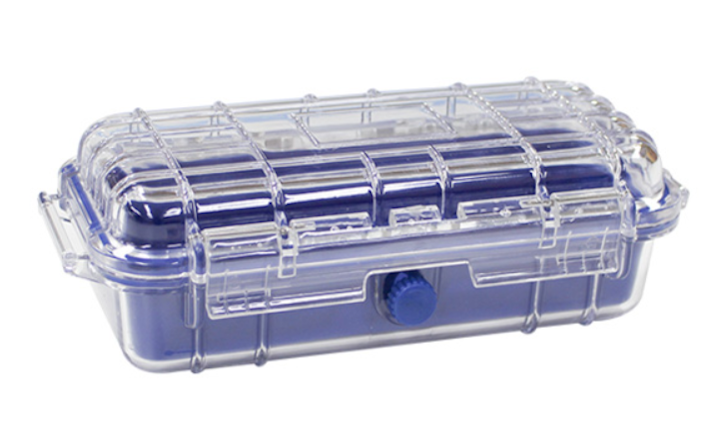
In today's technology-driven world, the simple yet indispensable accessory known as a protective case plays a crucial role in preserving the lifespan and functionality of our myriad electronic devices. Whether it's shielding smartphones from accidental drops or safeguarding tablets from everyday wear and tear, protective cases have become a ubiquitous presence. Their importance cannot be overstated, as they not only provide protection but also often enhance the aesthetic appeal of the devices they encase.
Understanding the Necessity of Protective Cases
The primary function of a protective case is to guard against physical damage. With the rapid advancement of technology, our electronic gadgets have become both expensive and fragile. Despite being meticulously designed, most devices are prone to scratches, cracks, and even complete malfunction when subjected to impact. A protective case acts as a barrier, absorbing shocks and mitigating the risk of damage. This is particularly vital for smartphones and tablets, which are frequently carried and subjected to various environmental hazards.
Moreover, protective cases can offer additional functionalities such as waterproofing, which is particularly beneficial for adventurers and those living in humid or rainy climates. These cases are crafted using a range of materials, each catering to specific protection needs—from the lightweight and flexible silicone cases to robust and rigid ones fashioned from polycarbonate or even metals.
Material Matters: Choosing the Right Protective Case
The material composition of a protective case significantly influences its protective capacity and usability. Here’s a quick overview of common materials and their benefits:
- Silicone and Rubber: Known for their excellent grip, silicone and rubber cases absorb shocks effectively. They are highly flexible, making them easy to install and remove. However, they can occasionally attract dust and lint due to their tacky surface.
- Plastic and Polycarbonate: Frequently used for their durability, these materials offer substantial protection against drops. They are resistant to scratches and are usually more aesthetically diverse, allowing for a wider range of designs and colours.
- Leather: Offering a touch of class, leather cases exude a premium feel and are particularly popular for corporate environments. They provide moderate shock absorption and are often used in wallet-style cases that offer extra utility by accommodating cards and cash.
- Metal: Often used in rugged cases, metals provide unmatched durability and a premium look. Aluminium and titanium are common choices, known for their resistance against extreme impact and environmental damage.
The Evolution of Protective Case Designs
Over the years, the design of protective cases has evolved significantly. Initially, the focus was solely on function, but with changing consumer preferences, style and design have become as important as protection. Modern cases are no longer bulky, unattractive blocks. Instead, manufacturers prioritise sleek, minimalistic, and ergonomic designs that complement the devices they protect.
This evolution is driven by consumer demand for cases that reflect personal style while not compromising on functionality. Transparent cases, for instance, have gained popularity as they allow the original design of the phone to shine through while still offering solid protection. Customisable designs featuring unique prints, embedded crystals, or personal photos have also emerged, providing consumers with endless possibilities to express their individuality.
Specialist Cases for Varied Uses
In addition to everyday use cases, there are specialist cases designed for environments that demand extra protective measures. For example, waterproof cases are essential for those participating in water sports, while rugged cases are indispensable for individuals working in demanding physical conditions, such as construction sites or extreme outdoor environments.
There are also shockproof and military-grade cases, which offer the ultimate protection against severe impacts and harsh conditions. These high-tier cases are subjected to rigorous testing to meet military standards, providing peace of mind for users in both everyday and challenging situations.
Incorporating Technology: Smart Protective Cases
As the world becomes increasingly interconnected, even protective cases have not been left untouched by technological advancements. Some cases now incorporate smart technology to add value to the user experience. Battery cases are a prime example; they include built-in power banks, providing an additional charge on the go, which is incredibly convenient for users who find themselves far from power sources.
Moreover, emerging technologies like RFID-blocking cases protect against digital theft, safeguarding personal information against growing cybersecurity threats. This feature is particularly relevant as contactless payment systems become more prevalent, and data security remains a persistent concern.
Environmental Impact and Sustainable Alternatives
As awareness grows regarding environmental issues, there has been an increasing demand for more sustainable construction in protective cases. Eco-friendly materials such as bamboo, biodegradable plastics, and plant-based materials are gaining traction. These sustainable options protect while significantly reducing ecological footprints compared to traditional plastic and rubber cases.
Manufacturers are also beginning to embrace recycling initiatives, encouraging consumers to return their old cases for repurposing, thus closing the loop on the product lifecycle. This step towards sustainability not only addresses environmental concerns but also caters to a growing market segment that values ethical consumption.
The Future of Protective Cases
Looking ahead, the future of protective cases seems promising, with innovation continuing to push the boundaries of design and functionality. As technology advances, the potential integration of advanced features like health monitoring sensors and wireless charging capabilities could become mainstream, further enhancing the value of these essential accessories.
Developments in material science could also usher in new materials that provide even better protection while being lighter and thinner, suppressing the need for users to choose between style and safety. As consumer demands and technological capabilities evolve, the potential for protective cases remains significant, ensuring their continued relevance in our fast-paced, tech-centric world.
| < Prev | Next > |
|---|