
Roof leaks are one of the most frustrating issues Australian homeowners face. They often start small — a faint ceiling stain or a slight musty smell — before escalating into significant structural damage. Given Australia’s harsh climate, from intense UV exposure to heavy rainfall and summer storms, even well-built roofs can become vulnerable over time.
If you suspect a problem, it’s worth seeking advice from experienced professionals like A.I Gutter & Roofing, who understand the unique demands Australian conditions place on roofing systems. But first, it helps to understand the most common causes of roof leaks and why they occur.
Broken or Dislodged Roof Tiles
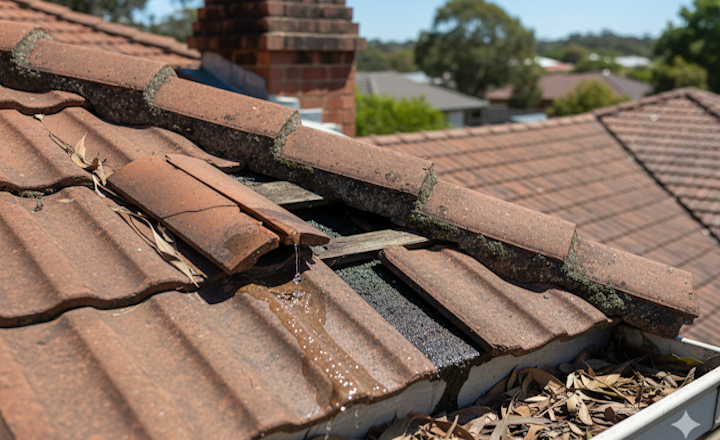
In many Australian suburbs, tiled roofs are common — particularly concrete and terracotta tiles. While durable, they are not immune to damage. Strong winds, falling branches, foot traffic during maintenance, and general ageing can crack or shift tiles. Even a single damaged tile can allow water to penetrate the underlay and seep into the ceiling cavity.
Often, the leak may not appear directly below the broken tile. Water can travel along rafters before dripping internally, making the source difficult to pinpoint without a thorough inspection.
Rust and Corrosion in Metal Roofing
Metal roofs are popular across Australia for their durability and modern aesthetic. However, over time, exposure to moisture and coastal salt air can lead to corrosion — especially if the protective coating deteriorates.
Rust can create small perforations in the sheeting, allowing water to enter during rain. In coastal regions, corrosion can occur more rapidly due to salt exposure, making regular inspections essential. Loose or deteriorated screws and fasteners can also create entry points for water, particularly during heavy downpours.
Blocked Gutters and Downpipes
Blocked gutters are one of the leading causes of roof leaks in Australian homes. Leaves, twigs, dirt and debris accumulate in gutters, preventing proper water flow. When gutters overflow, water can back up under roofing materials or seep into fascia boards and eaves. Over time, this can cause timber rot, mould growth, and even internal ceiling damage. Homes surrounded by gum trees or other native vegetation are especially prone to gutter blockages, making routine cleaning critical.
Damaged or Deteriorated Flashing
Flashing is the thin metal material installed around roof penetrations — such as chimneys, skylights, vents and valleys — to prevent water from entering. Over time, flashing can crack, lift, corrode, or separate due to expansion and contraction from temperature changes. When flashing fails, water can easily enter these vulnerable junctions. In many cases, flashing issues are subtle and require a trained eye to detect before they develop into more significant leaks.
Poor Roof Installation or Workmanship
Unfortunately, not all roof installations or repairs are completed to a high standard. Poorly aligned tiles, incorrectly installed flashing, inadequate sealing, or improper slope can all contribute to premature leaking. Even minor installation shortcuts can compromise the roof’s waterproofing system. This is why it’s vital to engage qualified roofing specialists who understand Australian building standards and climate demands.
Ageing Roof Materials
Every roof has a lifespan. Over decades, materials naturally deteriorate due to exposure to:
- - Intense sunlight and UV radiation
- - Heavy rain and storms
- - Temperature fluctuations
- - General wear and tear
As roofing materials age, they become brittle, porous or warped. The protective underlay beneath tiles or sheeting can also degrade, increasing vulnerability to leaks. If your roof is over 20–30 years old, it may be approaching the point where more extensive repairs — or even replacement — are necessary.
Storm Damage
Australia experiences severe weather events, including hailstorms, cyclones, and heavy rain systems. Storm damage can cause:
- - Dislodged tiles or sheeting
- - Impact cracks from hail
- - Lifted ridge capping
- - Damaged flashing
- - Fallen debris punctures
Even if damage is not immediately visible from the ground, a post-storm roof inspection is highly recommended to prevent small issues from worsening.
Cracked Ridge Capping and Mortar
On tiled roofs, ridge capping is secured with mortar. Over time, mortar can crack due to movement, settlement, or weather exposure. When cracks develop, water can enter along the roof’s highest points and travel downward internally. Flexible pointing systems are now commonly used to improve longevity, but older roofs may still have traditional mortar that requires maintenance.
Skylight Leaks
Skylights are a fantastic way to increase natural light, but they are also a common source of leaks if not properly sealed. Problems may arise from:
- - Worn seals
- - Improper flashing installation
- - Cracked domes
- - Ageing materials
Because skylights penetrate the roofing surface, they require careful installation and periodic inspection to remain watertight.
Condensation Issues
Not all “roof leaks” are caused by rain. In some cases, condensation within the roof cavity can mimic a leak. Poor ventilation, inadequate insulation, and high humidity can lead to moisture build-up in the ceiling space. This can drip down and create water marks similar to those caused by external leaks. Identifying whether moisture is from external water intrusion or internal condensation is crucial for applying the correct solution.
Early Warning Signs of a Roof Leak
Being proactive can prevent costly structural damage. Watch for:
- - Water stains on ceilings or walls
- - Bubbling or peeling paint
- - Musty odours
- - Mould growth
- - Sagging plasterboard
- - Dripping water during heavy rain
If you notice any of these signs, early investigation can significantly reduce repair costs.
Why Prompt Repairs Matter
Ignoring a minor roof leak can lead to:
- - Structural timber rot
- - Electrical hazards
- - Insulation damage
- - Ceiling collapse
- - Mould infestations
- - Increased repair expenses
In Australia’s climate, leaks rarely resolve themselves. They tend to worsen quickly, particularly during storm season.
Protecting Your Home from Future Roof Leaks
Prevention is always more cost-effective than major repairs. Consider:
- - Annual roof inspections
- - Gutter cleaning at least twice per year
- - Prompt repair of broken tiles or rusted sections
- - Post-storm assessments
- - Ensuring proper roof ventilation
A well-maintained roof can last decades and provide reliable protection against Australia’s unpredictable weather.
Roof leaks are common in Australian homes, but they are rarely random
Most leaks stem from identifiable issues such as damaged tiles, blocked gutters, corroded metal roofing, or deteriorated flashing. By understanding the root causes and acting early, homeowners can avoid extensive damage and maintain the structural integrity of their property for years to come. Regular maintenance and professional inspections remain the most effective way to ensure your roof continues to perform exactly as it should — protecting your home, your belongings, and your peace of mind.
| < Prev | Next > |
|---|