
Bed bug treatment works best when the room is prepared properly, and aftercare steps are followed carefully. The treatment itself is important, but what happens before and after can also affect the result. Clutter, moved belongings, untreated fabrics, and poor monitoring can make bed bugs harder to manage.
Many people panic when they find bed bugs. They may move bedding into another room, throw out furniture or spray random products around the bedroom. These reactions are understandable, but they can spread bed bugs or make the infestation harder to assess.
For Sydney homes, apartments and rental properties, a careful process is needed. If a confirmed infestation requires Bed Bug Extermination, preparation and aftercare should support the treatment rather than work against it.
The goal is to reduce hiding places, prevent spread and make it easier to monitor the room afterwards.
Why Bed Bug Treatment Preparation Matters
Preparation helps make hiding places easier to access and reduces the chance of bed bugs staying hidden in untreated items.
It also helps stop insects from being moved into new areas.
Why Bed Bugs Hide in Cluttered Areas
Bed bugs prefer small, dark and undisturbed spaces. Clutter near beds gives them more places to hide.
Books, clothing, shoes, bags, boxes and soft toys can all provide shelter.
Reducing clutter carefully can support treatment and future inspection.
How Poor Preparation Can Affect Treatment Results
If items are left piled around the bed, treatment access may be limited. If belongings are moved loosely through the home, bed bugs may spread.
Preparation should be organised, not rushed.
The aim is to make the room easier to inspect and treat without carrying bed bugs elsewhere.
How to Prepare a Room for Bed Bug Treatment
The preparation process should focus on containment, cleaning and access.
It is important to manage items safely rather than simply clearing the room quickly.
Confirm the Infestation Before Moving Items
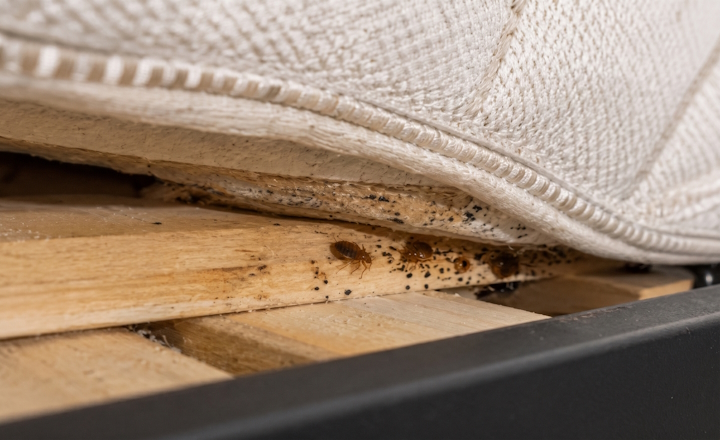
Before moving anything, confirm the issue as much as possible. Look for live insects, dark spots, blood marks, eggs or shed skins around the bed and nearby furniture.
If possible, take photos or keep a sample sealed safely.
Confirmation helps avoid unnecessary disruption.
Reduce Clutter Without Spreading Bed Bugs
Clutter should be sorted carefully. Items from affected areas should be bagged or sealed before movement where practical.
Avoid carrying loose bedding, clothes or soft items through the home.
This helps reduce the risk of spreading bed bugs to other rooms.
Washing Bedding, Clothes and Soft Fabrics
Wash bedding, clothes and washable fabrics according to care instructions. Heat can be useful where suitable for the fabric.
Items that can safely go through a hot dryer cycle may benefit from heat drying.
Clean items should be sealed in bags or containers until the room is ready.
What Not to Do Before Bed Bug Treatment
Some actions can make bed bug control harder. Avoid quick decisions that disturb or spread the infestation.
A calm approach is better than panic cleaning.
Why You Should Not Move Furniture Between Rooms
Moving furniture can carry bed bugs into new areas. Bed bugs may hide in bed frames, drawers, fabric folds and screw holes.
Furniture should not be moved unless it is part of a planned process.
If movement is necessary, items should be handled carefully.
Why Random DIY Sprays Can Make Bed Bugs Spread
Random sprays may kill visible insects but miss hidden bed bugs and eggs. They may also push bed bugs deeper into cracks or neighbouring rooms.
Some products can interfere with treatment plans.
It is better to follow proper preparation advice before treatment.
Why Throwing Out a Mattress Is Not Always the Answer
Throwing out a mattress may seem like the fastest solution, but bed bugs can also hide in bed frames, furniture, skirting boards and nearby items.
If a mattress is moved through hallways or shared areas without wrapping, bed bugs may spread.
Inspection should come before disposal.
How to Handle Personal Belongings Safely
Personal items often need careful management because bed bugs can hide in small folds, seams and gaps.
Different items may need different handling.
Managing Shoes, Bags and Delicate Items
Shoes, handbags, luggage and delicate fabrics should be checked carefully. Not all items can be washed or heated.
Do not spray personal items randomly.
Ask for suitable handling advice if items cannot be laundered.
Storing Clean Items After Washing
Once items are washed and dried, store them in sealed bags or containers until the room has been treated and cleared for use.
Do not return clean items to untreated areas too early.
This prevents reintroducing bed bugs to cleaned belongings.
Vacuuming Tips Before Treatment
Vacuum mattress edges, bed frames, skirting boards, carpet edges and cracks where safe to do so.
After vacuuming, seal and dispose of vacuum contents carefully. For bagless vacuums, empty the chamber outside into a sealed bag if possible.
Vacuuming helps reduce debris but does not remove the whole infestation.
What to Do After Bed Bug Treatment
Aftercare is important because bed bugs can be persistent. Monitoring and careful cleaning help confirm whether activity is reducing.
Follow the instructions provided for the specific treatment.
Follow Re-Entry and Cleaning Instructions
Do not enter treated areas too soon. Follow re-entry guidance carefully.
Avoid washing or wiping treated surfaces too early unless instructed, as this may reduce the effectiveness of the treatment.
Safety and timing matter after treatment.
Monitor the Room for Fresh Bed Bug Signs
Continue checking mattress seams, bed frames, bedding and nearby furniture. Look for fresh droppings, live insects, shed skins or new bite activity.
Monitoring helps identify whether follow-up is needed.
Do not assume the problem is gone immediately after one day.
Avoid Returning Untreated Items Too Soon
Untreated belongings can bring bed bugs back into the room. Items should be checked, washed, sealed or managed according to advice before being returned.
Rushing everything back into place can undo preparation work.
A slow, organised return is better.
How to Reduce Bed Bug Reinfestation Risk
Long-term prevention is about careful habits, especially after travel or furniture movement.
Bed bugs can return if they are reintroduced from outside the property.
Travel Checks After Staying Away From Home
After travel, inspect luggage before placing it near beds. Wash suitable clothing and check suitcase seams.
Avoid placing bags directly on beds in hotels or at home after returning.
Travel habits are one of the most useful prevention steps.
Second-Hand Furniture Precautions
Second-hand beds, mattresses, lounges, chairs and bedside tables should be checked before entering the home.
Look around seams, joints, cracks and underneath surfaces.
If the item has an unknown history, use caution.
Mattress Encasements and Ongoing Monitoring
Bed bug mattress encasements can reduce hiding places and make future checks easier. They do not replace treatment, but they can support monitoring.
Keep the encasement intact and inspect regularly.
Ongoing awareness helps catch problems early.
Bed Bug Treatment Aftercare FAQs
Should I wash all clothes before bed bug treatment?
Focus on bedding, clothing and soft items from affected areas. Store cleaned items sealed until they can be safely returned.
Can I sleep in another room?
It is usually better not to move sleeping areas without advice, as bed bugs may follow and spread.
Can bed bugs come back after treatment?
Yes. They may return if hidden insects survive, eggs hatch or untreated items are reintroduced.
Should I clean immediately after treatment?
No. Follow treatment instructions. Cleaning too soon may reduce effectiveness.
Does vacuuming remove bed bugs completely?
No. Vacuuming helps reduce some insects and debris but does not remove all hidden bed bugs or eggs.
Conclusion
Bed bug treatment is more effective when preparation and aftercare are handled carefully. Washing fabrics, reducing clutter, avoiding unnecessary movement and monitoring after treatment all help reduce reinfestation risk.
For Sydney residents, the best approach is to stay organised, avoid panic decisions and act early when signs appear. Careful preparation can make bed bug control more manageable and reduce the chance of the problem spreading.
| Next > |
|---|