
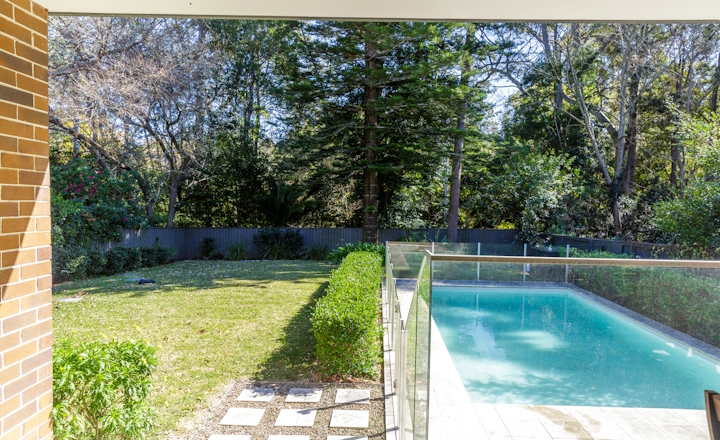
Owning a home that is secure and well cared for is a priority for almost everyone. People invest thousands of dollars in upgrading their exteriors, adding a secondary dwelling and choosing attractive, sturdy fencing. These improvements often reflect bigger property decisions for growing families, as homeowners look for ways to make their property work better for the people living there.
But when there is a swimming pool in the backyard, does a strong fence cover everything? The barrier is essential, but the layout, landscaping and everyday use of the surrounding space also affect pool area safety. A poorly positioned gate, furniture within climbing distance or plants blocking the view of the water can create problems that a fence alone cannot address.
In this post, we’ll discuss five things Sydney homeowners should consider when planning a pool area that is safer, practical and attractive.
5 Ways to Create a Safe and Beautiful Pool Area
1. Keep the Pool in View From the House
Clear views from the house and outdoor entertaining areas help adults notice what is happening around the pool. Before you settle on a layout, stand at the kitchen sink, the back door and your outdoor dining area, then look towards the water. If a shed, tall hedge or solid screen blocks the view, consider whether it could be moved or replaced with something less obstructive.
These sightlines are useful, but children still need active supervision whenever they are in or around the water. Young children should remain within arm’s reach of a supervising adult, including during busy gatherings.
2. Place the Gate Where People Walk
The gate is the part of the fence you will use most, so position it on the natural path between the house, the entertaining area and the pool. That way nobody is tempted to take shortcuts or leave it open while carrying towels, food or pool toys.
Good pool gate safety also depends on the space around it. Leave enough room for the gate to swing and close on its own without hitting furniture or pots, because a gate that catches on something is far more likely to be propped open.
3. Keep the Fence Line Free of Footholds
Furniture and garden features can make a well-built fence easy to climb. In NSW, the area around the outside of a pool barrier needs to stay free of anything a child could use as a foothold, including shrubs, pot plants, chairs, barbecues and ladders. The NSW Government’s guidance for pool owners explains how this non-climbable zone is measured.
Plants need extra thought with pool landscaping because they keep growing. A shrub planted at a safe distance can spread towards the fence within a couple of seasons, and creepers give small hands something to grip. Also, choose plants according to their mature size and not the size they are when planted.
4. Choose Fencing That Suits Your Home and Backyard
Good pool fence design starts with the material, as it affects visibility, upkeep and how the backyard looks. Frameless and semi-frameless glass give the most open view of the water and suit modern homes and smaller yards, but they need regular cleaning to remove water spots and salt. Aluminium is durable, generally more affordable and needs little care beyond an occasional wash, while its vertical bars still allow good visibility. Some homeowners combine the two, using glass where the view matters most and aluminium along side boundaries.
The fence should also sit comfortably with the paving, decking, entertaining areas and garden beds around it, and with the style of the house itself. When planning or upgrading the barrier, homeowners looking into Sydney pool fencing can ask how different systems would suit their yard’s layout, slope and outlook. Whichever material you choose, the fence still needs to meet the NSW pool barrier requirements that apply to your pool, and your local council or a registered swimming pool inspector can confirm whether it does.
Pool projects are often part of a larger Sydney backyard renovation, and many homeowners personalise other parts of the home at the same time, from cabinetry to custom doors, so the whole property feels consistent.
5. Maintain the Fence and Reassess the Space Over Time
Most pool fence maintenance comes down to a few regular checks. Open the gate to different positions and let go, making sure it closes and latches by itself every time. The NSW Government suggests lubricating hinges and latches and tightening any loose bolts, screws or fittings. Look for rust on posts, spigots and hinges, especially near the coast or around a saltwater pool. Settling soil or tree roots can lift paving or open a gap beneath the panels, and regular trimming stops plants from creeping into the fence line.
It also helps to take a fresh look at the whole area every few months. Children grow taller and climb more confidently, gardens change and furniture or play equipment gets moved, so an object that once seemed harmless can become a risk. If the barrier itself has been altered, arrange an inspection so you know it still meets the relevant requirements.
Safety, Usability, Maintenance and Appearance Go Together
A safer pool area comes from treating safety, usability, maintenance and appearance as connected decisions. Good sightlines and a well-placed gate make the space easier to use and supervise, materials suited to your conditions are simpler to look after, and a design that fits your home makes the area more enjoyable. Plan with all four in mind, and the pool becomes a part of the home your family can enjoy safely for years.
| < Prev | Next > |
|---|